 How-to
Does Homeowners Insurance Cover Roof Leaks?
Last Updated: November 12, 2026
Quick Summary
Often yes, but only when the leak follows sudden damage from a covered cause such as wind, hail, fire, or a falling tree. Most policies exclude roof leaks caused by age, wear and tear, or neglected maintenance.
- Covered perils include windstorms, hail, fire, and fallen trees that breach the roof.
- Insurers pay for sudden damage but usually exclude gradual damage from long-term wear.
- Leaks from neglected maintenance, such as clogged gutters or missed repairs, are commonly denied.
- Compare the repair estimate with your deductible before deciding whether filing a claim is worth it.
- Document the damage with dated photos and report it to your insurer within 24 hours.
Table of Contents
- When Homeowners Insurance Covers a Roof Leak
- When Roof Leaks Are Excluded From Coverage
- Does Homeowners Insurance Cover Roof Leaks From Ice Dams?
- Does Homeowners Insurance Cover Roof Replacement Due to Age?
- Will Insurance Cover a 20-Year-Old Roof?
- How to Make a Successful Roof Leak Insurance Claim
- Booking Your Roof Inspection After a Leak
- Frequently Asked Questions
Does homeowners insurance cover roof leaks? Often, yes, but only when the leak follows sudden damage from a covered cause such as wind, hail, fire, or a falling tree. Most policies exclude leaks caused by age, wear and tear, or neglected maintenance. This guide will help you sort out which situation applies to your roof.
When Homeowners Insurance Covers a Roof Leak
A roof leak is often covered when a sudden event damages the roof and water then gets inside. The policy pays for the sudden damage, not for the slow decay that came before it.
Covered Perils: Wind, Hail, Fire, and Falling Trees
Covered perils are the named events your policy agrees to pay for. Common examples include:
- Windstorms that lift or tear shingles
- Hail that cracks or punctures roofing material
- Fire damage to the roof structure
- A fallen tree that breaks through the roof
If one of these events creates an opening and rain enters, the resulting leak is usually part of the claim. Check your policy's declarations page to confirm which perils your plan lists.
Sudden and Accidental Damage vs. Gradual Damage
Insurers draw a sharp line between sudden and gradual damage. Sudden damage happens in a short, identifiable event, like a storm. Gradual damage builds up over months or years, like slow seepage through worn flashing.
Sudden damage is usually covered. Gradual damage is usually excluded. Keep this distinction in mind, because it often decides the outcome of a claim.
When Roof Leaks Are Excluded From Coverage
Many roof leaks are not covered at all. Insurers commonly deny claims that trace back to long-term conditions rather than a single event.
Wear and Tear, Aging, and Lack of Maintenance
Policies typically exclude:
- Wear and tear on shingles, flashing, and seals
- Deterioration from roof age
- Leaks caused by clogged gutters or missed repairs
- Damage from ongoing, unaddressed moisture
Neglected maintenance is a common reason for denial. An adjuster may ask for maintenance records to see whether the roof was kept in reasonable condition. Keeping receipts and inspection reports helps your case.
The table below sums up the common reasons a roof leak claim gets denied, so you can check your own situation against them.
| Exclusion | Why it applies | What to check |
|---|---|---|
| Wear and tear | Gradual deterioration of shingles, flashing, and seals | Maintenance records and inspection reports |
| Roof age | Aging alone is not a covered cause | Whether a covered event caused the damage |
| Clogged gutters | Neglected maintenance that allows water to back up | Gutter cleaning history |
| Missed repairs | Ongoing moisture left unaddressed | Dates when repairs were first recommended |
| Ongoing moisture | Damage that builds up over time | When you first noticed the leak |
Does Homeowners Insurance Cover Roof Leaks From Ice Dams?
Ice dam leaks are one of the most disputed roof claims, and the outcome usually turns on why the ice dam formed. An ice dam is a ridge of ice at the roof edge that traps melting snow behind it, forcing water under shingles and into the attic or walls.
The mechanism matters. Ice dams typically form when heat escapes through a poorly insulated or poorly ventilated attic, melts snow on the upper roof, and the water refreezes at the colder eaves. Because that chain often traces back to maintenance and construction conditions, many policies treat ice dam damage as excluded or as a maintenance issue.
Coverage may apply when the ice dam followed a covered event. If a windstorm or fallen limb opened the roof and let water in, or if a covered storm directly damaged the roof and ice formed afterward, the resulting damage can be part of the claim. Some policies also include specific ice dam endorsements or exclusions, so the wording controls.
Where to check in your policy:
- The exclusions section, for language on ice, freezing, and weather conditions
- Any endorsement that adds or removes ice dam coverage
- The conditions section, for maintenance duties the policy imposes on you
- Your declarations page, for the deductible that applies to weather-related claims
Watch out: some policies apply a separate, higher deductible to weather-related roof claims, so confirm which deductible applies before you assume the payout.
If you are unsure, ask your insurer in writing how it treats ice dam damage and keep the response with your records. Document the attic conditions, the ice pattern, and any recent storm activity, because those details are what separate a covered storm loss from an excluded maintenance problem.
Does Homeowners Insurance Cover Roof Replacement Due to Age?
Usually not. Age alone is rarely a covered cause. If your roof is old and simply wearing out, your policy generally will not pay to replace it. Coverage may apply to replacing the roof only when a covered event, such as a hailstorm, damaged it. In that case, the payout may depend on whether your policy uses actual cash value or replacement cost, so check which one you have.
Will Insurance Cover a 20-Year-Old Roof?
Possibly, but age works against you. Insurers often look more closely at older roofs, and some carriers may limit coverage for them. If a storm damages a 20-year-old roof, the claim can still succeed. The insurer may pay the actual cash value, which factors in depreciation, rather than the full replacement cost. Ask your agent how your carrier treats roof age.
How to Make a Successful Roof Leak Insurance Claim
A good claim depends on two things: whether the damage is the kind your policy covers, and whether filing is worth it. Work through both before you call the insurer.
Decide Whether to File: A Simple Claim Framework
Not every covered leak deserves a claim. Run this comparison first:
- Estimate the repair cost. Get a written estimate from a licensed roofer that separates the roof repair from interior damage such as drywall, insulation, and paint.
- Compare it with your deductible. If the estimate is close to or below your deductible, you would pay most or all of the cost yourself, and a claim mainly adds a loss to your record.
- Check your policy's roof terms. Many policies pay actual cash value (replacement cost minus depreciation) for an older roof, which can shrink the payout well below the repair estimate. Confirm whether your policy uses actual cash value or replacement cost for the roof.
- Weigh claim history. Insurers track claims and often consider frequency when pricing or renewing a policy. A single small claim can affect your premium more than the check is worth.
- Call your agent with hypothetical questions. You can ask how a claim would be handled without filing one. Ask specifically about your deductible, your roof settlement terms, and any claim-free discount you would lose.
Watch out: filing a claim you later withdraw can still appear in your claims history with some carriers, so settle the math before you submit.
The First 24 to 48 Hours After a Leak
Your policy requires you to take reasonable steps to prevent further damage. A timed approach keeps you organized:
- Hour 0-2: Move furniture, electronics, and valuables out of the wet area. Place buckets under active drips and lay down towels or plastic to protect floors.
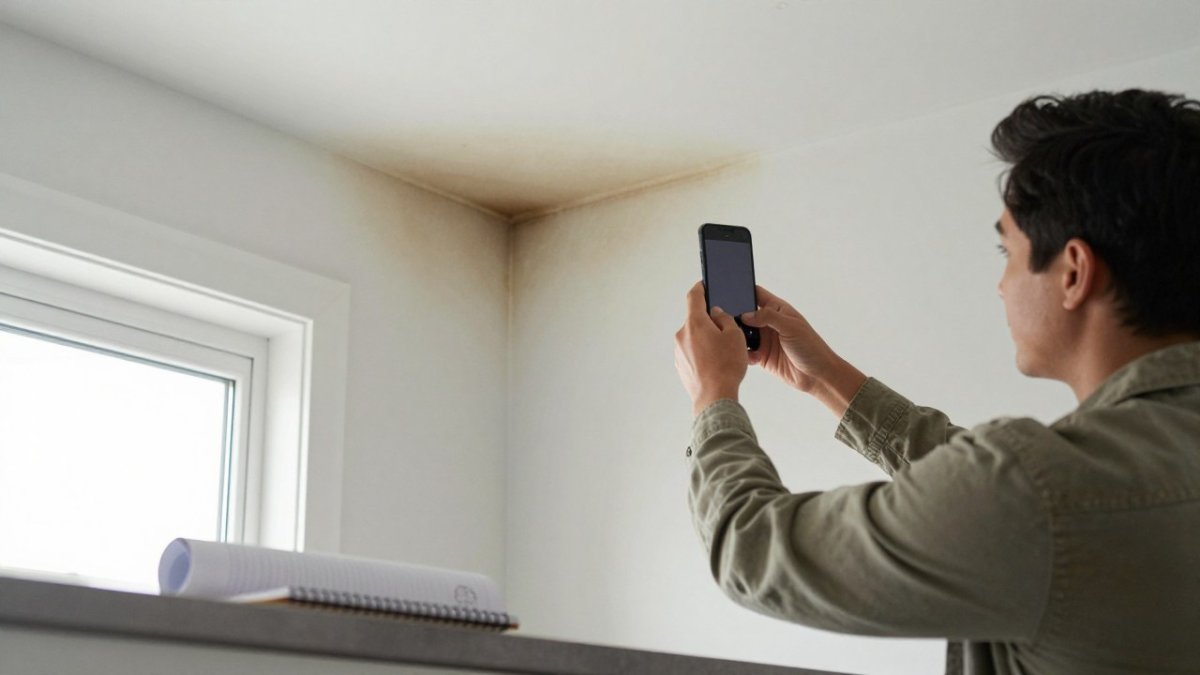
- Hour 2-6: Photograph and video the leak from multiple angles, including the ceiling stain, the attic framing, and the roof surface if it is safe to view from the ground. Note the date and time you first noticed water.
- Same day: If rain is ongoing and it is safe to do so, have a tarp or temporary patch installed over the opening. Keep every receipt for tarps, materials, and emergency labor.
- Within 24 hours: Report the damage to your insurer or agent. Ask for the claim number and the name of the assigned adjuster.
- Within 48 hours: Pull together storm reports or weather data for the date of the event, plus any maintenance records and past inspection reports.
Temporary repairs that prevent further damage may be reimbursable when the underlying loss is covered. Keep records of every expense and check with your insurer before authorizing large work.
Watch out: do not authorize permanent repairs before the adjuster inspects when it is practical to wait. Permanent work done first can complicate the cause determination and the payout.
Documenting the Cause and Working With the Adjuster
Strong documentation helps establish what caused the leak, which is the heart of most disputes. Gather:
- Dated photos and video of the roof, attic, and interior damage, taken before any cleanup
- Notes on when you first noticed the leak and whether it followed a storm
- Storm reports or weather data for the date of the event
- Maintenance records, receipts, and past inspection reports
- Contractor notes that describe the damage pattern, such as a fresh impact mark versus worn flashing
When the adjuster visits, walk them through the damage and point out the evidence. Ask for the adjuster's findings in writing. If the claim is denied, request the specific policy language used to deny it, ask about a second inspection, and follow the appeal process in your policy. If the dispute continues, your state insurance department can explain your options.
If the Claim Is Denied
A denial is not always final. Ask the insurer for its written reasoning, compare it with your policy wording, and request a reinspection if you have evidence the cause was a covered event. Keep copies of every letter and email. Many policies set a deadline for appeals, so check the policy's conditions section for the time limit.
Booking Your Roof Inspection After a Leak
After a leak, a professional inspection can show whether the damage came from a covered event or from long-term wear. Real Property Industries, LLC offers roofing services. For a current quote, contact the company through its website. For details on the signs that point to needing repair, read our guide on signs your roof needs professional repair. If you want to weigh repair against replacement, our roof repair vs. replacement decision guide walks through the factors that matter. Local homeowners who want help with residential roof repair services can start by contacting the company. Pricing depends on the size and condition of the roof, so request a quote through the company's website.
Before you hire anyone to work on your roof or document the damage, confirm that the contractor is properly licensed and insured. Our checklist for verifying licensed contractors and guide to verifying contractor insurance show you how to check both.
Frequently Asked Questions
Is a leaky roof covered under homeowners insurance?
A leaky roof is usually covered when the leak comes from sudden, accidental damage caused by a covered peril such as windstorm, hail, fire, or a falling tree. Leaks caused by wear and tear, aging materials, or lack of maintenance are typically excluded. Coverage also depends on your specific policy, its deductible, and any endorsements. Document the damage with dated photos, keep maintenance records, and review your declarations page or call your agent to confirm what your policy says before filing.
Does homeowners insurance cover roof leaks caused by ice dams?
Coverage for ice dam leaks varies by policy and by how the damage happened. Many policies exclude damage from ice dams when they are considered a result of poor insulation, ventilation, or lack of maintenance, but some cover resulting interior water damage if the leak is sudden. Ask your insurer how it treats ice dams specifically, and keep records of any snow removal or prevention work you have done.
What should I avoid saying to an insurance adjuster about a roof leak?
Stick to facts you can verify. Avoid guessing about when the leak started, speculating about the cause, or admitting fault for poor maintenance. Do not sign a release or accept a settlement before the adjuster has inspected the damage. Describe what you observed, when you noticed it, and what temporary steps you took to prevent further damage, and let the documented inspection establish the cause.