 listicle
Signs Your Roof Needs Professional Repair
Table of Contents
- Missing or Damaged Shingles
- Water Stains and Signs of Water Damage in Attic
- Granule Loss in Gutters and Downspouts
- Curling, Buckling, or Blistering Shingles
- How to Inspect Your Roof for Damage
- Roof Repair vs Replacement Cost: When to Replace Instead of Repair
- Other Warning Signs That Demand Professional Attention
- When to Call a Professional
- Frequently Asked Questions
Last Updated: September 25, 2026
Missing or Damaged Shingles
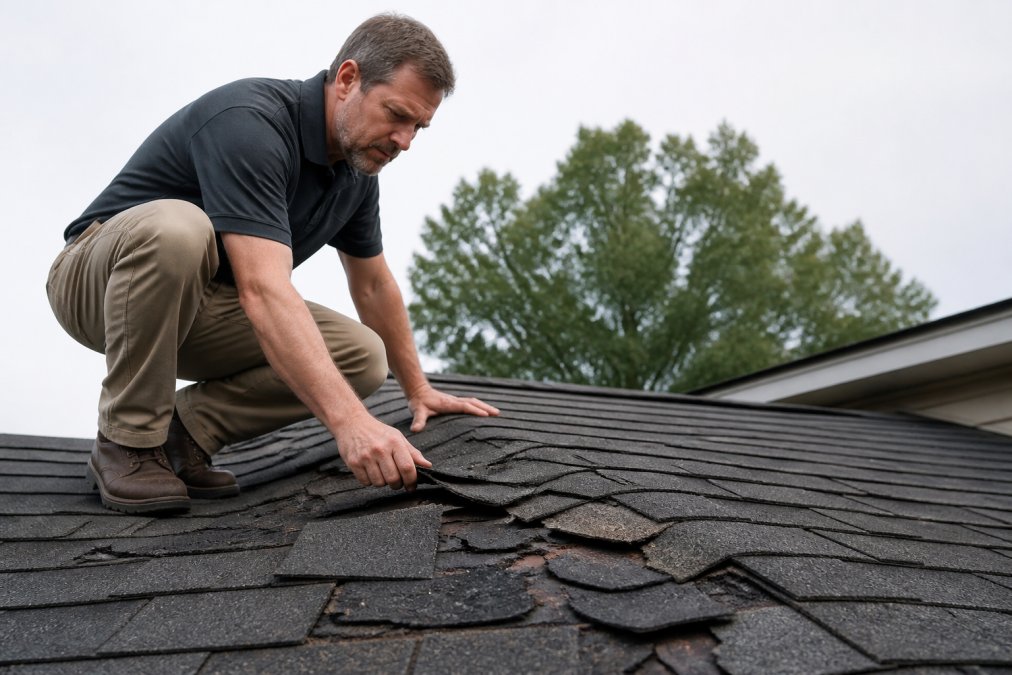
Missing or damaged shingles are among the clearest indicators that your roof needs professional repair. When shingles crack, curl, or go missing entirely, they expose the underlayment and roof decking beneath to water infiltration and weather damage.
Look for lifted edges, visible cracks, or missing sections. Even a single missing shingle allows water to seep into your attic. Asphalt shingles can last for many years, but damage can occur sooner from high winds, hail, or poor installation (Resources).
Address damaged shingles promptly, early repair costs far less than water damage repair. A small leak can lead to rotted decking, mold, and structural damage requiring full replacement.
Water Stains and Signs of Water Damage in Attic
Water stains on attic ceilings or walls indicate water has breached your roof and is damaging interior structure. By the time water reaches living spaces, significant hidden damage has likely occurred.
Check your attic after heavy rain or storms for discoloration, soft wood, musty odors, or peeling paint, all signs of moisture and potential mold.
Water stains that spread or reappear after rain indicate an active leak requiring immediate professional assessment to locate the source and determine repair versus replacement.
Granule Loss in Gutters and Downspouts
Asphalt shingles shed granules (their protective UV coating) over time. Excessive granule shedding signals that your roof needs professional repair.
Granule loss accelerates when shingles near end-of-life or suffer hail damage. Without granules, underlying asphalt deteriorates rapidly.
If you notice a significant accumulation of dark granules in your gutters, especially if it happens suddenly or after a storm, have a professional inspect your roof. This is often one of the earliest warning signs that replacement may be approaching.
Curling, Buckling, or Blistering Shingles
Curling, buckling, or blistering shingles indicate moisture and thermal stress. Curling pulls shingles away from the surface; buckling creates waves; blistering traps moisture in bubbles.
These deformations result from inadequate attic ventilation, poor decking, insufficient underlayment, improper installation, or thermal expansion stress.
When you notice curled or buckled shingles, a professional inspection is necessary to determine whether the roof decking is still sound or if structural damage has occurred. Sometimes the shingles can be replaced; other times, the underlying structure requires repair before new shingles can be installed properly.
How to Inspect Your Roof for Damage
Safety First: Ground-Level and Attic Inspection Protocols
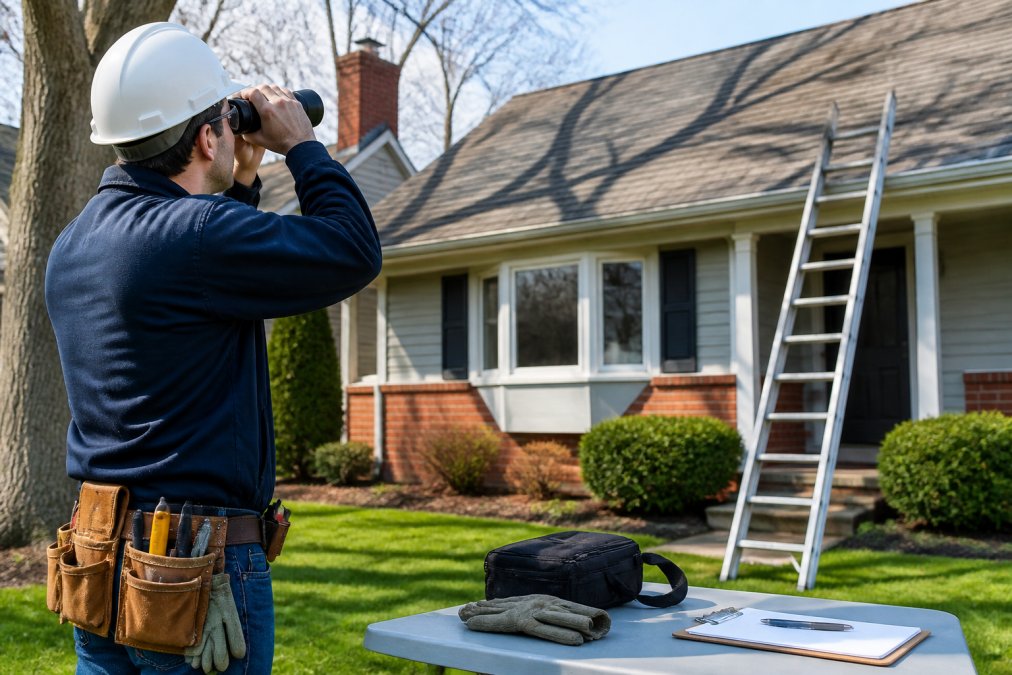
Before inspecting your roof, understand the safety risks. Falls cause thousands of injuries annually (the CDC). The safest approach is ground-level inspection using binoculars or a smartphone camera with zoom.
If you access your roof, use a secured ladder, wear slip-resistant shoes, and have someone present. Never inspect during or after rain, in darkness, or high winds. If uncomfortable with heights, hire a professional.
Attic inspections require caution: use a flashlight, wear a dust mask, and never step on joists without plywood beneath. If access is tight, hire a professional.
Ground-Level Inspection Checklist
Start from the ground with binoculars or a zoom camera, working systematically across the roof:
- Shingle condition: Look for missing shingles, visible cracks, lifted edges, or sections that appear darker or discolored compared to surrounding areas.
- Flashing integrity: Check the metal flashing around chimneys, vents, skylights, and where roof sections meet. Look for gaps, rust, or separation from the roof surface.
- Roof valleys: These V-shaped seams where two roof slopes meet are common leak points. Look for debris accumulation, damaged shingles, or visible gaps.
- Sagging or uneven lines: Look at the roofline's silhouette for dips, waves, or sagging, which indicate structural problems.
- Biological growth: Look for dark streaks (algae), green patches (moss), or fuzzy growth (fungus), indicating moisture retention.
- Gutters and downspouts: Scan for granule accumulation (dark sand-like material), debris buildup, or separation from the fascia.
- Chimney and vent boots: These rubber or metal seals deteriorate over time. Look for cracks, gaps, or missing sections.
Take photos of problem areas with zoom for clear documentation. This helps a professional provide an accurate estimate.
Attic Inspection Checklist
If you can access your attic safely, bring a flashlight and perform this inspection:
- Water stains: Look for brown, yellow, or gray discoloration on rafters, joists, or the underside of roof decking. Stains indicate past or present water intrusion.
- Soft or spongy wood: Press on wooden structural members with your hand or a screwdriver. Rotted wood feels soft or crumbles. This indicates water damage and structural compromise.
- Mold or mildew: Look for black, green, or white fuzzy growth on wood or insulation. Musty odors indicate mold presence even if you can't see it.
- Light penetration: Look for daylight coming through the roof boards. Any visible holes, gaps, or deterioration in the decking is a structural failure.
- Insulation condition: Check if insulation near the roof feels damp. Wet insulation has lost its R-value and indicates active moisture problems.
- Ventilation: Look for blocked soffit vents or ridge vents. Poor ventilation traps heat and moisture, accelerating shingle and wood deterioration.
Climate-Specific Wear Patterns to Watch For
Damage patterns vary significantly by region. Knowing what to expect in your climate helps you identify problems earlier:
Heavy snow and freeze-thaw regions (Northern climates): Watch for ice dam damage, granule loss from salt spray, lifted or curled shingles, and sagging (indicating snow load damage).
High heat and UV exposure regions (Southern and Southwestern climates): Expect faster granule loss, brittle shingles prone to cracking, blistering, buckling, and algae/fungal growth.
Coastal regions with salt spray: Check flashing for rust or deterioration. Expect accelerated granule loss and monitor for excessive moss and algae.
High-wind regions: Watch for missing shingles, lifted edges, and flashing damage. Inspect closely after storms.
Documenting Damage for Insurance Claims
If you suspect storm damage, document everything before calling a professional to support your insurance claim:
- Take dated photos and video: Capture wide shots and zoom in on damage, including gutters, flashing, and interior damage.
- Note the date and weather conditions: Record when you noticed damage and any storms that may have caused it.
- Create a written inventory: List each damage area, location, and description.
- Preserve evidence: Photograph fallen shingles or debris in place before cleanup.
- Do not make repairs yet: Wait for the adjuster's assessment before hiring a contractor.
- Get a professional inspection report: A licensed roofer's report documents damage, cause, and repair scope.
Roof Repair vs Replacement Cost: When to Replace Instead of Repair
Repair is appropriate for single damaged sections or a few missing shingles. Widespread damage or a roof nearing end-of-life usually means replacement is more cost-effective.
If your roof requires significant repair, replacement is often the smarter investment, as repairs to aging roofs can be temporary.
The condition of the roof decking and underlayment matters too. If water damage has compromised the structural integrity of the decking, repair alone won't solve the problem. The decking must be replaced, which often means replacing the shingles as well.
Real Property Industries, LLC recommends getting a professional assessment to compare repair costs against replacement costs.
Other Warning Signs That Demand Professional Attention
Sagging Rooflines and Structural Concerns
A sagging roofline is a serious structural problem that demands immediate professional attention. Sagging indicates that the roof decking or the framing beneath it has weakened or failed. This can result from water damage, rot, inadequate support, or excessive weight accumulation (snow, debris, or an improperly installed roof system).
Algae, Moss, and Fungal Growth
While algae and moss growth may seem cosmetic, they indicate that your roof retains moisture. Moisture promotes decay of the shingles and the wood beneath. Dark streaks or green patches on your roof suggest conditions that favor biological growth.
Daylight Visible Through Roof Boards
If you can see daylight coming through the roof boards from your attic, your roof has failed. This indicates holes, gaps, or severe deterioration in the decking. Water, insects, and cold air are entering your home directly. This condition requires immediate professional repair.
Material-Specific Damage Indicators
Metal roofs: Look for rust spots, especially around fasteners, seams, or where water pools. Check for paint peeling or chalking, which indicates UV degradation. Loose or missing fasteners allow water to seep underneath. Dents from hail or falling debris may not cause immediate leaks but can trap water and accelerate corrosion. Seam separation, where the overlapping metal panels pull apart, is a critical failure point.
When to Call a Professional
Call a professional roofer when you notice any of the warning signs described above. Don't wait for a leak to appear in your living space, by then, hidden damage has likely occurred. A professional inspection costs far less than repairing water damage.
Frequently Asked Questions
What are the main signs your roof needs professional repair?
The most common warning signs include missing or damaged shingles, water stains on ceilings or in the attic, granule loss visible in gutters, curling or buckling shingles, sagging rooflines, and algae or moss growth. If you notice any of these, a professional inspection is recommended before the damage spreads to the roof decking or structural components.
How do I know if I need roof repair vs replacement?
Minor damage can often be repaired. If your roof shows widespread damage or has multiple problem areas, replacement may be more cost-effective than repeated repairs. A licensed contractor can assess your specific situation and help you understand the roof repair vs replacement cost comparison for your home.
What are signs of water damage in my attic?
Look for dark stains or discoloration on roof decking, wet insulation, mold growth, a musty odor, peeling paint on interior walls, or visible water marks on rafters and beams. These indicate water is penetrating your roof system. Water damage in the attic can compromise structural integrity and create conditions for mold, so professional assessment is important.
Can I inspect my own roof safely?
You can perform a ground-level inspection using binoculars to check for obvious damage without climbing. However, climbing onto a roof carries serious fall risks. If you need a detailed inspection, a licensed professional can safely assess the roof's condition, identify less obvious damage, and provide recommendations for repairs or replacement.
Your roof protects your entire home. Addressing problems early prevents expensive water damage and structural failure. When you notice signs that your roof needs professional repair, don't delay, contact a licensed contractor to assess the damage and recommend the right solution. Real Property Industries, LLC has served homeowners for over seven years with efficient, honest roofing repairs and replacements that exceed expectations.