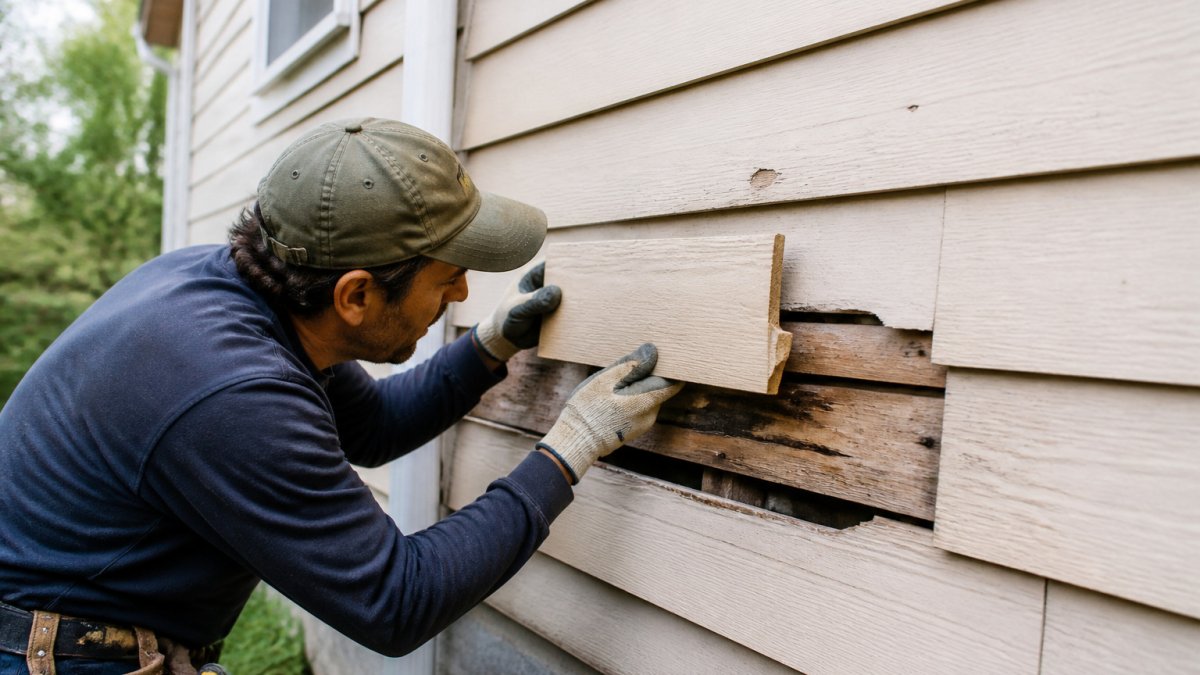
 How-to
How to Tell If a Contractor Is Ghosting You: 7 Signs
Last Updated: October 30, 2026
Quick Summary
Contractor ghosting is when a contractor stops responding after you have hired them, with calls and texts going unanswered and work stopping without explanation. A single missed call rarely counts; a real pattern shows up across several channels and several weeks, and silence beyond about 21 days with repeated documented attempts is treated as ghosting in practice.
- Track contact attempts by date, channel and what you asked for, as silence alone is not enough to prove ghosting.
- Send one written follow-up and make one phone call within days 4 to 7 after a missed reply.
- Freeze further payments while communication is dark, but check your contract first, since non-payment can count as a default.
- Verify the contractor's license and current insurance directly with the licensing board and insurer.
- Do not hire a replacement contractor for the same scope until the termination is resolved in writing.
Table of Contents
- What Contractor Ghosting Looks Like
- Delay or Ghosting? A Timeline for Telling the Difference
- Possible Reasons a Contractor Is Not Responding
- How Long to Wait for a Contractor Response Before Following Up
- Step-by-Step: Reaching Out by Phone, Email, or Text
- Contractor Follow-Up Message Templates You Can Copy
- What to Do When a Contractor Ghosts You
- Booking Your Next Step With a Contractor You Can Trust
- Frequently Asked Questions
What Contractor Ghosting Looks Like
A contractor who ghosts you stops responding after you've hired them or agreed to work together. Calls go to voicemail. Texts go unanswered. Work stops, and no one explains why. This is what most people mean by contractor ghosting.
Ghosting is different from a slow project. A slow project still has someone talking to you. Ghosting means the communication has simply gone quiet, often right when you need an update most.
Ghosting often shows up in a few predictable ways:
- Calls and texts go unanswered for days or weeks
- Promised start or finish dates pass with no word
- Crew members stop showing up, and no one says why
- Invoices or change orders go out, then the contractor disappears
- Materials are ordered, but nothing new appears on site
Spotting these early helps you act before a small delay becomes a stalled project. Watch out: a missed call alone rarely means ghosting. Look for a pattern across several channels and several weeks.
Delay or Ghosting? A Timeline for Telling the Difference
The fastest way to tell a delay from ghosting is to track time and contact attempts together. Silence alone is not the signal of contractor ghosting, silence after repeated, documented attempts across multiple channels is.
Use this timeline as a working threshold. Adjust it for the size of the job and what your contract says, but do not leave it to guesswork.
- Days 1-3 after a missed reply: Normal. Crews are on job sites, phones are in trucks, and many contractors batch their callbacks at the end of the day. Do not escalate yet.
- Days 4-7: Send one clear written follow-up by text or email and make one phone call. A genuine delay almost always produces at least a short reply in this window, even a one-line "backed up, will call Thursday."
- Days 8-14: If there is still no reply across two channels, treat the silence as a warning sign. Log the date, the channel, and what you asked for. This is the point where a paper trail starts to matter.
- Days 15-21: Send a written message that sets a specific response deadline (see the templates below). State what happens if you do not hear back, for example, that you will consider the agreement at risk and review your options under the contract.
- Beyond 21 days with no contact: This is ghosting in practice. Move to the formal steps covered later in this guide.
Phase matters as much as the calendar. Silence before work starts is different from silence mid-project. A contractor who has not broken ground and goes quiet for two weeks is a scheduling problem you can still walk away from.
What counts as a real contact attempt. A single voicemail is not a pattern.
A contractor who is delayed will usually say so. They might mention weather, material backorders, or a crew issue. Ghosting offers no reason at all, and often starts right after a payment or a change order, which is why the payment steps later in this guide matter.
Possible Reasons a Contractor Is Not Responding
Silence does not always mean bad intent, and not every case of contractor ghosting reflects a deliberate choice. A contractor may stop responding for reasons that have nothing to do with you.
- Another job ran long and took over the schedule
- Materials were backordered or the supplier fell behind
- Weather delayed roofing, siding, or deck work
- A crew member got hurt or quit
- Personal or family emergencies came up
- Cash flow problems made them avoid calls from unpaid bills
- They lost interest in a small job
Knowing the likely causes helps you stay calm and ask better questions. It also helps you see when an excuse does not match the facts. For example, a claimed material delay should show up on the supplier's end too.
How Long to Wait for a Contractor Response Before Following Up
A reasonable wait depends on the project. Smaller jobs like a deck repair may move quickly. Large roofing or siding projects often involve more planning and more people.
As a general guide, many homeowners wait two to three business days before a first follow-up on a simple question. For active project updates, one week of silence with no explanation is a fair point to press harder. Your written contract may also list response times or notice requirements. Check it first.
Step-by-Step: Reaching Out by Phone, Email, or Text
Use more than one channel, and keep every attempt on record.
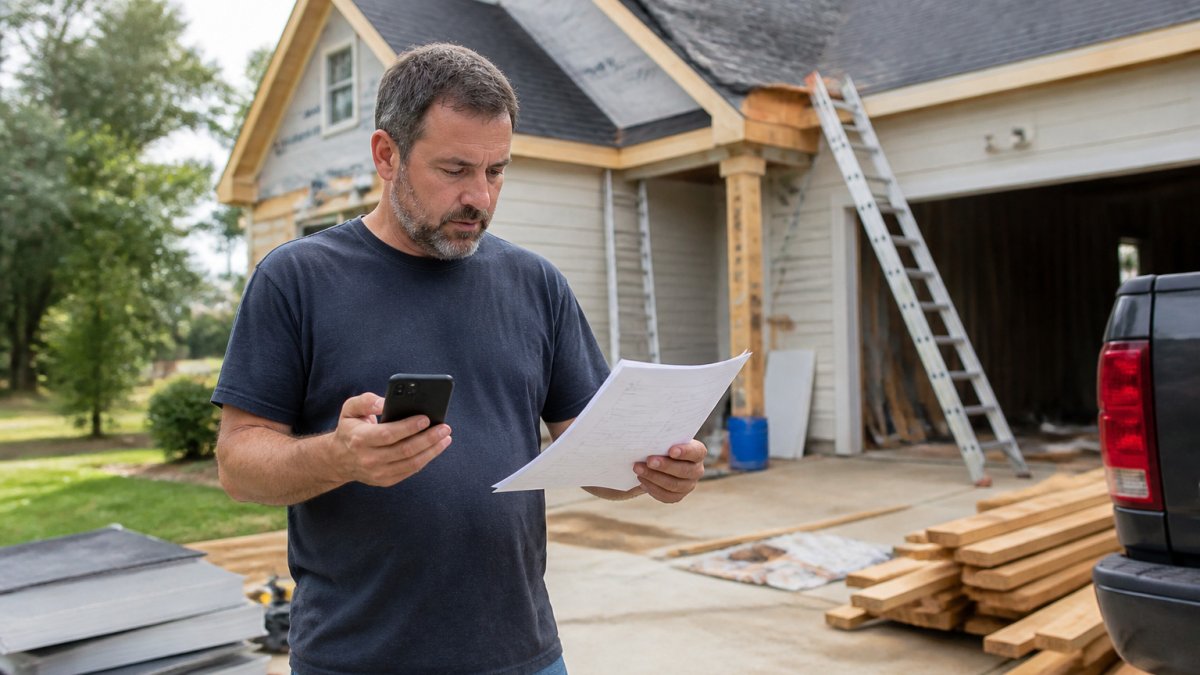
- Start with a text or email. Written messages create a timestamped record you can point to later.
- Call the same day if you get no reply. A short call can clear up a simple misunderstanding quickly.
- Wait one to two business days. Give a realistic window before the next step.
- Send a follow-up in writing. Restate your question and ask for a specific date.
- Call the business line, not only a personal number. A company line may reach an office manager or another crew lead.
- Save every message, call log, and voicemail. You will need this record if the problem continues.
A simple rule works well here: one call, one written message, and one follow-up per week. Before you reach out, see questions to ask before hiring contractors for what to confirm up front. More contact than that can feel like pressure and rarely speeds things up.
Clear, documented contact attempts make it easier to tell a simple delay from a genuine lapse in communication.
| Step | What to do | Timing |
|---|---|---|
| Start with a text or email | Create a timestamped written record | Right away |
| Call the same day | Clear up a possible misunderstanding quickly | Same day if no reply |
| Wait | Allow a realistic window before the next step | 1-2 business days |
| Send a written follow-up | Restate your question and ask for a specific date | After the wait |
| Call the business line | Reach an office manager or crew lead | If personal number fails |
| Save everything | Keep messages, call logs and voicemails | Throughout |
Contractor Follow-Up Message Templates You Can Copy
Clear messages get clearer answers. Copy one of these and fill in the blanks.
First follow-up (polite check-in):
"Hi [Name], I wanted to check in on the [project type] at [address]. Could you let me know the current status and when crew will return? Thanks, [Your name]"
Second follow-up (request a firm date):
"Hi [Name], I haven't heard back since [date]. Please confirm in writing by [date] when work will resume and when the project will be finished. I'd like to plan around your schedule. Thank you, [Your name]"
Final notice (before taking formal steps):
"Hi [Name], I have not received a response to my messages from [date] and [date]. If I don't hear from you by [date], I will consider the agreement at risk and explore my options under our contract.
Keep the tone calm and factual. Avoid insults or threats in writing. Calm messages hold up better if you later need to show what you asked for.
What to Do When a Contractor Ghosts You
Start with the contract, not the phone. Dealing with contractor ghosting is easier when you know your rights.
Then work through these steps in order.
1. Freeze further payments. Do not send another deposit, progress payment, or change-order payment while communication is dark.
2. Build a dated record. This is the step most homeowners skip and later regret. Keep a single folder, digital or paper, with:
- A call log: date, time, number dialed, whether you left a voicemail
- Screenshots of every text and email, including the timestamps
- Copies of the contract, change orders, and receipts for every payment
- Dated photos of the work completed so far, taken from the same angles each time
- Any permits pulled and inspection results, if you can access them
3. Verify the contractor's status. Look up the business license with your state licensing board and confirm insurance is current.
**4.
5. Send a formal written notice. Put the facts in writing: the dates you tried to reach the contractor, what work remains, and a specific deadline to respond.
**6.
7. Decide whether to terminate or wait. If the contractor resurfaces with a credible plan, a written schedule and a revised payment plan may be enough.
8. Escalate if money is at risk. If you have paid for work that was not done, consult a local attorney. Depending on your state, options can include a demand letter, a complaint to the state licensing board, or small-claims court. The records you built in step 2 are what make any of those routes practical.
Booking Your Next Step With a Contractor You Can Trust
Avoiding a ghosting problem starts before work begins. Choose a contractor who communicates clearly from the first call and puts terms in writing. You can also follow a step-by-step guide to verifying contractor insurance before committing.
Real Property Industries, LLC is a licensed and insured contracting company serving the greater Charleston/Huntington area for more than seven years. We handle roofing, siding, decking, landscaping, and snow removal.
Before you commit to any contractor, ask for proof of licensing and insurance, a written scope of work, and a clear payment schedule. Keep records of every conversation. If a contractor cannot answer those questions clearly, consider that a warning sign.
Frequently Asked Questions
How many days of silence is considered ghosting?
There is no fixed number of days that defines ghosting, but a useful working rule is to treat silence as a warning sign once a contractor has missed a committed date or gone more than about 3 to 5 business days without responding to a direct message while work is active. Short gaps during weather delays or material backorders are common and often come with a heads-up. Silence that continues after a documented follow-up, or that comes with missed deadlines and no explanation, is the pattern that matters. Keep a dated record of every attempt so you can judge the timeline objectively.
How do you know when a contractor is ghosting you?
The clearest signs are missed start or completion dates with no explanation, calls that go unanswered and texts that are read but not returned, and crews that stop showing up without notice. Another red flag is a contractor who becomes unreachable right after you ask for a status update or raise a question about the scope of work or an invoice. Written documentation of the agreed schedule makes these patterns easy to confirm.
Should you pay a contractor who has stopped communicating?
Hold off on any further payment until you have a clear answer about the work completed and the remaining schedule. Review your written contract for the payment schedule, final payment terms, and any termination clause before taking action. Paying only for work actually completed and verified protects you if the project is abandoned, and it keeps you from losing leverage over unfinished work.
When should you hire a different contractor?
Consider replacing the contractor if they have not responded after a documented follow-up and a formal written notice, if the project has stalled well beyond the agreed timeline with no credible explanation, or if they have stopped work on a project that is still open. Before hiring a replacement, confirm the new contractor's license and insurance, and make sure the original contract allows termination so you do not create a payment dispute.