 blog
Commercial Property Exterior Maintenance: A Complete Guide
Table of Contents
- What Commercial Property Exterior Maintenance Includes
- Roof Inspection and Maintenance
- Gutter Cleaning, Drainage, and Water Management
- Commercial Building Maintenance Checklist
- Creating a Commercial Property Maintenance Schedule
- Commercial Exterior Cleaning and Surface Repairs
- Prioritizing Maintenance by Risk and Budget
- Frequently Asked Questions
Last Updated: October 18, 2026
What Commercial Property Exterior Maintenance Includes
Commercial property exterior maintenance covers all the work needed to keep your building's outside in good condition. This includes roof inspections, gutter cleaning, surface repairs, window washing, landscaping, and pressure washing. Think of it as preventive care for your building's envelope, the parts that protect everything inside from weather, dirt, and damage.
Regular maintenance prevents small problems from becoming expensive disasters. A roof leak that costs $500 to fix today becomes a $15,000 interior water damage claim in six months if ignored. The same applies to gutters, siding, and landscaping.
Commercial property exterior maintenance isn't just about appearance. It protects your investment, keeps tenants safe, and maintains curb appeal that attracts renters or buyers. A well-maintained exterior tells prospects your building is managed professionally.
The key areas to track are:
- Roof condition and drainage
- Gutters and downspouts
- Siding, trim, and exterior surfaces
- Windows and glass
- Parking lots and walkways
- Landscaping and vegetation
- Foundation and grading
Roof Inspection and Maintenance
Your roof is your building's first line of defense against weather. Inspect it twice yearly, once in spring and once in fall, to catch damage before it spreads.
Look for these warning signs during a roof inspection:
- Missing or damaged shingles
- Sagging areas or visible wear
- Flashing gaps around vents and chimneys
- Moss or algae growth
- Standing water or pooling
- Visible cracks or blistering
Regular roof maintenance extends the life of your roof by years. Clear debris, trim tree branches hanging over the roof, and address small repairs immediately. A single missing shingle can lead to water intrusion that compromises the structure underneath.
Having a professional inspect your roof annually if it's over ten years old is recommended. Document everything with photos. This creates a maintenance record that protects your property value and helps with insurance claims if damage occurs.
Gutter Cleaning, Drainage, and Water Management
Gutters are critical for directing water away from your building. Clogged gutters cause water to back up, overflow, and damage your foundation, siding, and landscaping.
Clean gutters at least twice per year, spring and fall. More frequent cleaning may be needed if your property has many trees. During cleaning, check for:
- Debris accumulation (leaves, dirt, twigs)
- Rust or corrosion
- Loose or sagging sections
- Downspout blockages
- Proper slope and drainage flow
Water management doesn't stop at gutters. Ensure downspouts direct water at least 4-6 feet away from your foundation. Poor drainage creates moisture buildup that weakens structures and encourages mold growth.
If your building sits in a low area or experiences standing water after rain, consider adding French drains or grading adjustments. These investments prevent foundation problems that cost thousands to repair.
Commercial Building Maintenance Checklist
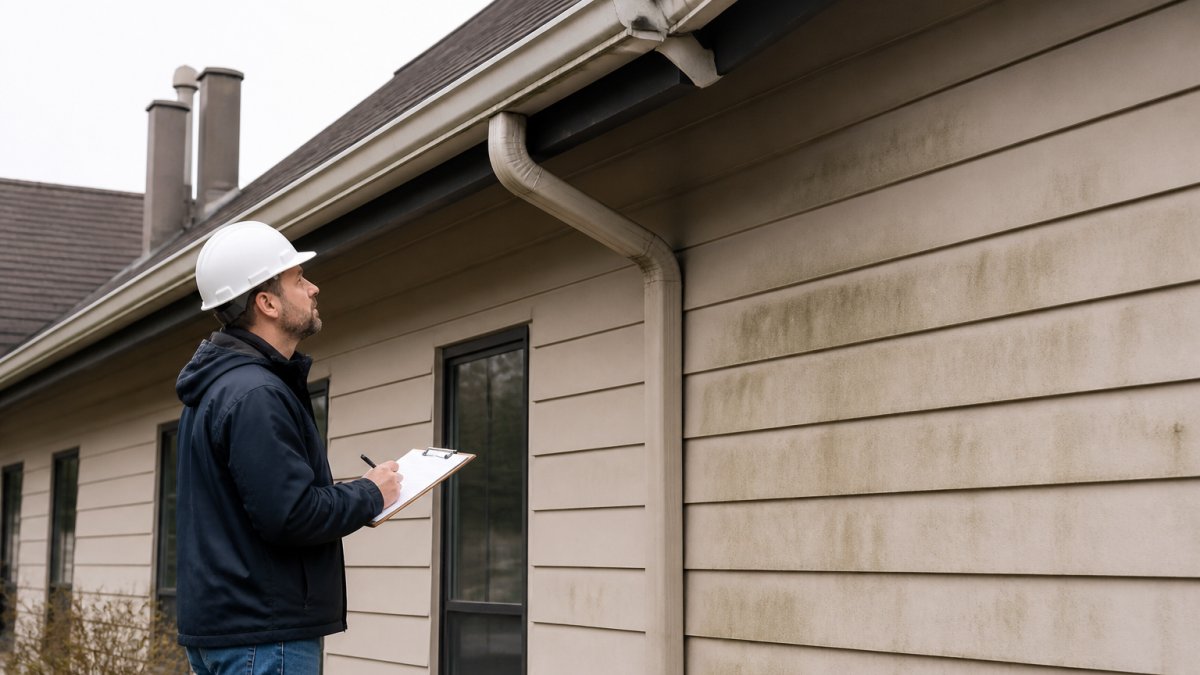
A structured checklist keeps maintenance organized and ensures nothing gets missed. Use this as your baseline, adjusting frequency based on your building's age, climate, and material type. The table below adds what most generic checklists leave out: the inspection method, the trigger that should escalate frequency, and the record you should keep.
| Maintenance Task | Baseline Frequency | Inspection Method | Escalate If | Record to Keep |
|---|---|---|---|---|
| Roof inspection | Twice yearly (spring/fall) | Walk the perimeter with binoculars; interior ceiling check for stains; probe flashing and drains | Roof over 10 years old, hail event, or any interior stain | Dated photos of each roof plane, drain, and flashing; moisture-meter readings |
| Gutter and downspout cleaning | Twice yearly; quarterly with heavy tree cover | Hand-clear debris; run water test at each downspout | Water overflows at fascia or stains appear on siding | Photos before/after; downspout flow test notes |
| Exterior surface and façade inspection | Quarterly | Binocular walk-by; tap-test mortar joints; check sealant at joints and penetrations | Cracks wider than a credit card, spalling, or efflorescence | Crack map with locations and widths; sealant replacement log |
| Window and glass check | Quarterly | Inspect seals, gaskets, and weep holes; check for fogging between panes | Failed seal, condensation, or draft | Window-by-window condition log |
| Pressure washing / soft washing | Annually (material-dependent) | Test a small area first; match pressure to substrate | Chalking, paint loss, or substrate damage after wash | Pre/post photos; product and pressure settings used |
| Landscaping and vegetation | Monthly | Walk the perimeter; check for root intrusion, branch contact with roof, and irrigation leaks | Branches within 6 feet of roof or roots near foundation | Vegetation map; pruning and irrigation service dates |
| Sidewalk and walkway upkeep | Quarterly and after freeze events | Level survey with a straightedge; check for trip hazards over 1/4 inch | Any vertical displacement over 1/4 inch or ponding | Trip-hazard log with photos and repair dates |
| Parking lot and drainage | Quarterly | Crack survey; drain inlet inspection; sealcoat wear check | Alligator cracking, potholes, or standing water 48 hours after rain | Pavement condition index notes; drain cleaning log |
| Foundation and grading | Annually and after heavy rain | Check for cracks, settlement, and soil pull-away; verify grade slopes away from building | Cracks over 1/8 inch, water in basement/crawlspace, or negative grade | Crack monitor readings; grading and drainage photos |
| Exterior lighting and signage | Monthly | Night walk-through; check photocells and timers | More than 10% of fixtures out or sign unlit | Fixture inventory; lamp replacement dates |
How to run the inspection, not just the schedule. Assign each task to a named person or vendor, and require a photo for every line item. A checklist without evidence is just a to-do list. Store records in a shared folder or CMMS (computerized maintenance management system) so the history travels with the asset, this matters at refinance, sale, or insurance claim time.
Safety and code checks to fold into the walk. The checklist above should be paired with a compliance pass: verify accessible routes remain clear and free of trip hazards, confirm handrails and guardrails are secure, check that drainage grates are seated, and confirm exterior lighting meets the property's safety plan. Many jurisdictions require snow and ice removal from accessible routes and prompt repair of hazards; document those responses. For life-safety systems, defer to the licensed inspector, but note deficiencies in the same log.
This checklist works best when assigned to a specific person or team. Document each inspection with photos and notes. This record becomes invaluable if you need to file insurance claims or justify maintenance expenses to owners.
Creating a Commercial Property Maintenance Schedule
A maintenance schedule prevents emergencies by spreading work across the year. Start by listing every exterior component, then assign inspection dates and responsible parties.
Build your schedule around seasons:
Spring: Inspect for winter damage. Clean gutters. Check roof and siding. Trim tree branches. Start landscaping maintenance.
Summer: Power wash exterior surfaces. Repair any damage found in spring. Maintain landscaping. Check parking lot condition.
Fall: Clear gutters again. Inspect roof. Trim trees before winter storms. Check drainage systems. Prepare for cold weather.
Winter: Monitor for ice dams. Clear snow safely. Inspect for water intrusion. Plan spring repairs.
Use a calendar or property management software to track tasks. Assign deadlines and responsible parties. This prevents the "someone should do that" problem where nothing gets done.
Scheduling all routine maintenance before peak seasons is recommended. If you wait until October to schedule gutter cleaning, contractors are booked. Plan ahead.
Commercial Exterior Cleaning and Surface Repairs
Clean exterior surfaces prevent deterioration and maintain professional appearance. Dirt, grime, moss, and algae aren't just cosmetic, they trap moisture and accelerate damage.
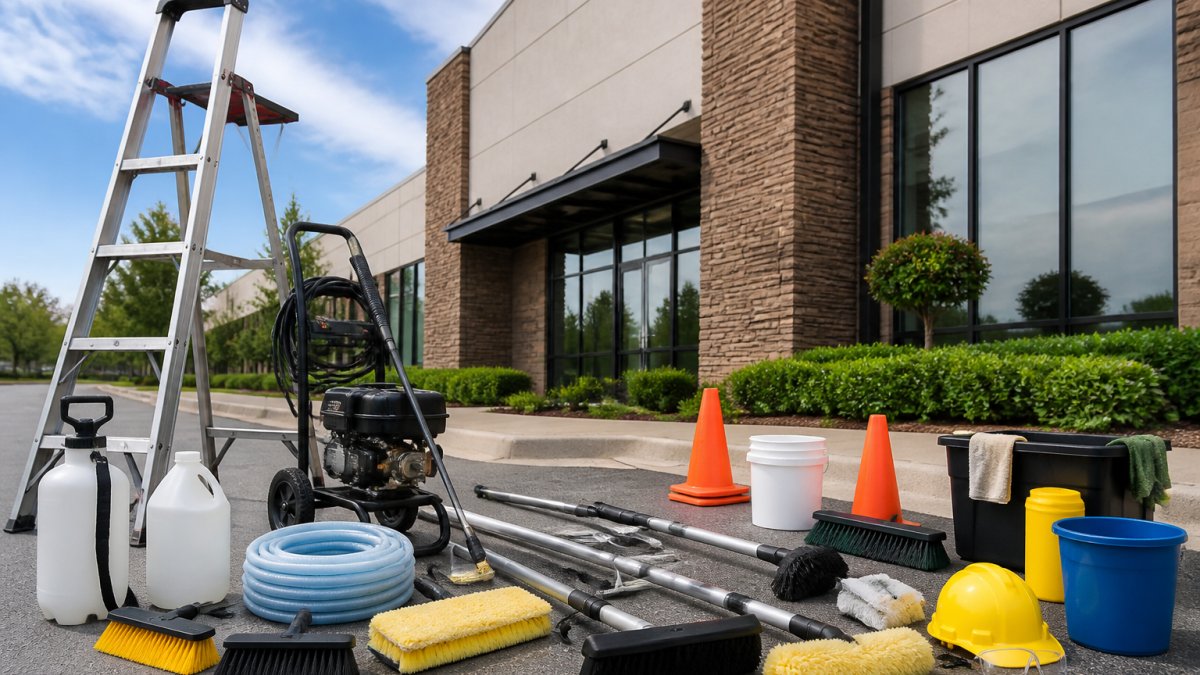
Pressure washing removes built-up contaminants from concrete, brick, and siding. Use appropriate pressure levels for different materials. High pressure can damage older brick or wood. Soft washing works better for delicate surfaces.
Common exterior cleaning needs:
- Building siding and facade
- Concrete sidewalks and walkways
- Asphalt parking lots
- Brick or stone surfaces
- Aluminum trim and gutters
- Windows and glass doors
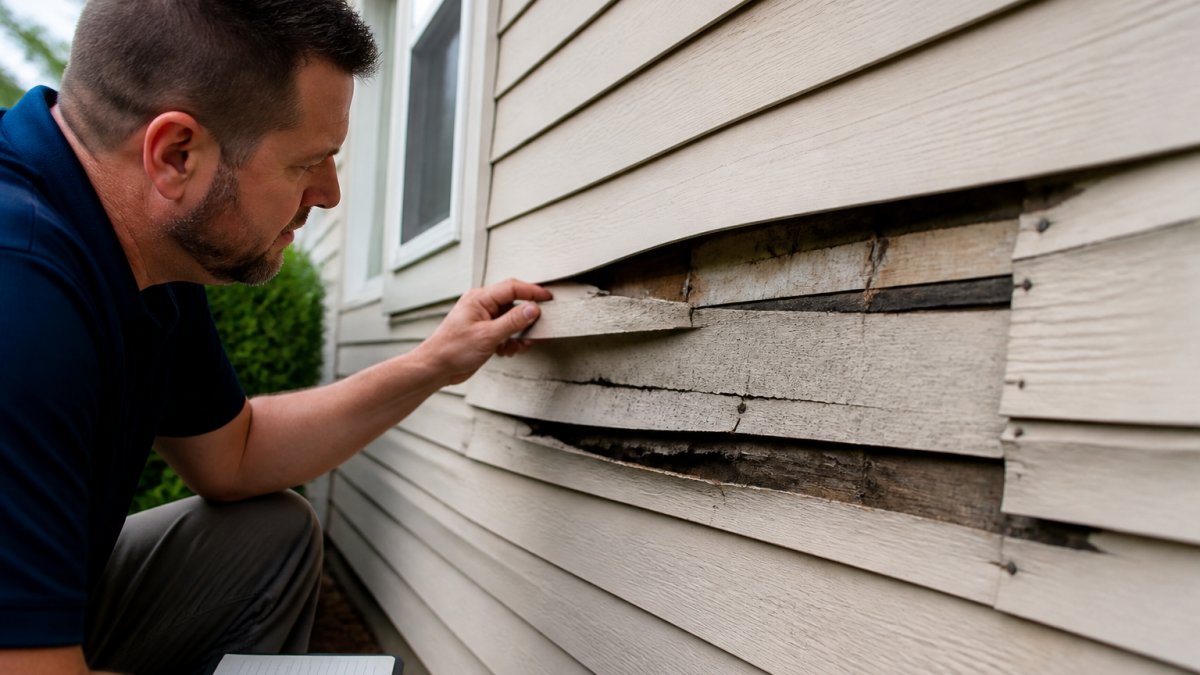
After cleaning, inspect surfaces for damage. Look for cracks in concrete, deteriorating mortar between bricks, peeling paint, or rotting wood. Address these issues promptly. Small cracks expand when water freezes inside them.
Repainting protects surfaces and refreshes appearance. Plan repainting every 5-7 years depending on climate and material. Quality exterior paint withstands UV exposure and moisture better than budget options.
Prioritizing Maintenance by Risk and Budget
Not all maintenance tasks are equally urgent. Prioritize based on risk and cost impact using a simple severity framework, then translate that framework into a budget and a vendor plan.
A three-tier severity framework.
- Tier 1, Immediate (fix within 24-72 hours): Conditions that threaten safety, structural integrity, or cause active water intrusion. Examples: roof leak into occupied space, foundation crack with water entry, trip hazard over 1/4 inch on an accessible route, loose handrail, downed exterior lighting on a primary path, or an unsecured panel or sign. These are not budget decisions, they are liability decisions.
- Tier 2, Scheduled (fix within 30-90 days): Conditions that will worsen and become Tier 1 if deferred. Examples: gutter overflow staining, sealant failure at joints, isolated parking-lot cracks, siding or trim deterioration, landscaping overgrowth contacting the roof, and drainage ponding after rain. Batch these into a work order to control cost.
- Tier 3, Planned (next budget cycle): Cosmetic and appearance items that do not threaten safety or structure. Examples: pressure washing, paint touch-ups, landscaping aesthetics, and non-critical lighting replacement. Deferring these is acceptable, skipping them indefinitely is not, because appearance drives tenant retention and property value.
Turning priority into a budget. A common planning benchmark is to reserve roughly 1-2% of property value annually for maintenance and capital upkeep, with older or weather-exposed buildings trending toward the higher end. Treat that as a starting reserve, not a precise forecast.
Preventive vs. deferred: the lifecycle math. Deferred maintenance rarely saves money, it moves cost from a planned line item to an unplanned emergency with a premium attached.
Maintenance records that pay for themselves. Keep a work-order log with date, asset, condition found, action taken, cost, and vendor. This record supports insurance claims, demonstrates diligence to owners and lenders, and reveals which assets are consuming disproportionate budget. Review it quarterly and adjust frequencies in the checklist accordingly.
Vendor selection and service-level expectations. For each Tier 1 and Tier 2 category, identify a qualified vendor before you need one. Confirm licensing where required, current insurance certificates (general liability and workers' compensation), and a written scope of work that specifies response time, documentation (photos and written findings), and disposal responsibilities.
When you understand your building's actual condition, you can make smarter decisions about where to invest.
Frequently Asked Questions
What does commercial property exterior maintenance include?
Commercial property exterior maintenance covers roof inspections and repairs, gutter cleaning and drainage management, exterior surface cleaning and repainting, window cleaning, pressure washing, landscaping and pruning, sidewalk and parking lot upkeep, and seasonal debris removal. A comprehensive maintenance plan protects your building from weather damage, extends the life of materials, and maintains curb appeal. The specific services depend on your building's age, materials, climate exposure, and local weather patterns.
How often should a commercial building exterior be inspected?
Most commercial properties benefit from inspections twice per year, spring and fall, to catch seasonal damage. Roofs should be inspected annually or after severe weather. Gutters need cleaning at least twice yearly, more often if surrounded by trees. High-traffic areas like sidewalks and parking lots warrant quarterly checks. Properties in harsh climates or with aging materials may need more frequent inspections. A maintenance schedule tailored to your building's condition and local weather ensures problems are caught early.
What should a commercial building exterior maintenance checklist include?
A comprehensive checklist should cover roof condition and flashing, gutters and downspout flow, exterior walls for cracks or damage, windows and seals, landscaping overgrowth, parking lot surface and drainage, sidewalk and walkway condition, pest entry points, and grading around the foundation. Document the date of each inspection, any damage found, repairs completed, and contractor information. Keep maintenance records for warranty claims, insurance purposes, and to track lifecycle costs. This documentation protects your property value and helps prioritize future repairs.
How can property managers prevent costly exterior repairs?
Preventive maintenance is far less expensive than emergency repairs. Regular inspections catch small problems before they become major damage, a small roof leak costs far less to fix than replacing an entire roof section. Keep gutters clear to prevent water damage and foundation issues. Trim vegetation away from the building to reduce pest entry and material deterioration. Pressure wash exterior surfaces regularly to remove contaminants and moss. Seal cracks in siding and concrete promptly. Schedule maintenance on a predictable calendar so nothing is overlooked.