 blog
Local Siding Installation Experts: What to Know
Table of Contents
- What Local Siding Installation Experts Actually Do
- Key Questions to Ask a Siding Contractor
- Understanding Your Siding Installation Estimate
- Siding Installation Timeline: What to Expect
- Siding Repair vs. Replacement: Making the Right Call
- How to Verify Licensing, Insurance, and Warranties
- Choosing Siding Materials for Durability and Performance
- Frequently Asked Questions
Last Updated: October 15, 2026
What Local Siding Installation Experts Actually Do
When you hire siding installation experts, you're not just paying someone to nail boards to your house. Professional siding contractors manage the entire exterior renovation process from assessment through final inspection. They evaluate your home's structural condition, recommend appropriate materials, handle permits and inspections, and ensure the installation meets building codes and manufacturer specifications.
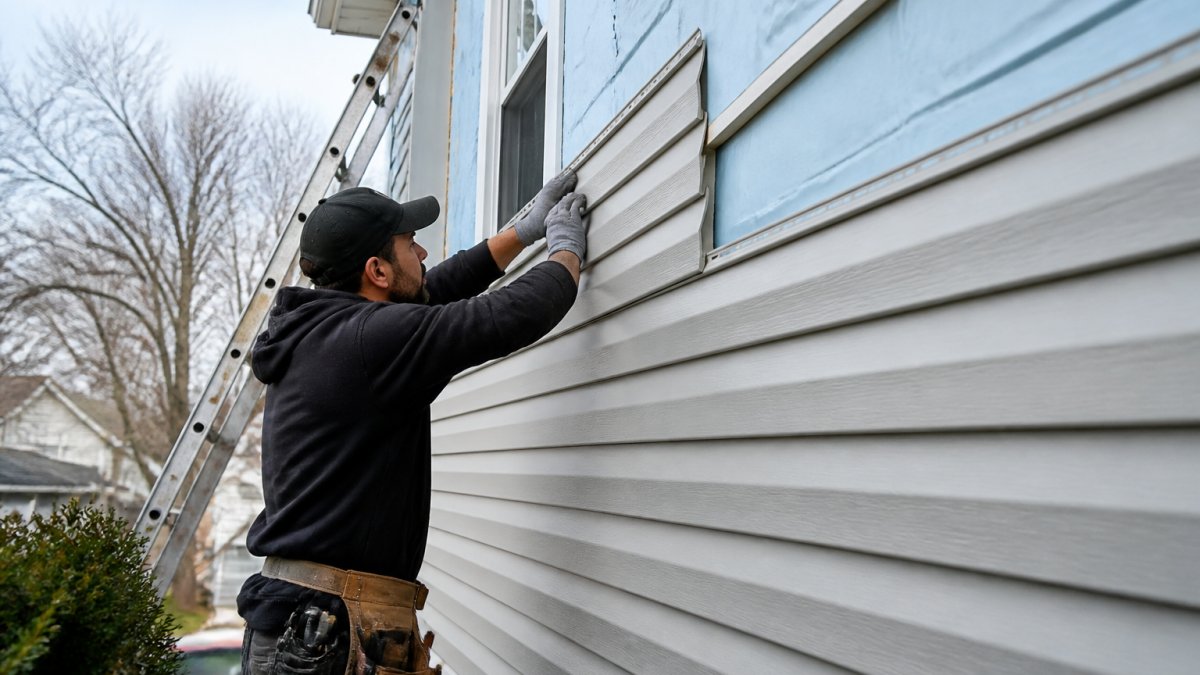
A skilled siding contractor brings experience that protects your investment. They understand how different materials perform in various climates, identify underlying damage that casual inspection misses, and know which installation techniques prevent future problems like water infiltration or thermal bridging.
The work itself involves precise measurements, proper flashing installation, weather-resistant underlayment application, and fastener placement that follows manufacturer guidelines. Poor installation creates vulnerabilities that lead to expensive repairs down the road. Licensed contractors carry insurance to protect both themselves and your property if something goes wrong during the job.
Key Questions to Ask a Siding Contractor
Before hiring any siding installation experts, you need answers to specific questions that reveal their professionalism and reliability. Start by asking how long they've been in business and whether they hold current licenses and insurance. Many homeowners skip this step and regret it when problems emerge.
Ask about their experience with your specific siding material. Vinyl installation differs significantly from fiber cement, metal, or engineered wood. A contractor experienced with one material may lack expertise with another.
Inquire about their warranty coverage. What does the labor warranty cover, and for how long? Does the siding manufacturer's warranty apply to their installation, or did improper installation void it? This distinction matters tremendously when you need repairs years later.
Ask about their project timeline. How long will your specific job take? What factors could extend the schedule? Will weather delays push back completion, and how do they handle that? Understanding realistic timelines prevents frustration and helps you plan accordingly.
Understanding Your Siding Installation Estimate
A professional estimate from siding installation experts breaks down labor, materials, and other costs transparently. The estimate should specify which materials are included, the exact scope of work, and what's excluded. Vague estimates like "siding replacement, $8,000" tell you nothing about what you're actually paying for.
Most homeowners shopping this query want a number before they want a lecture, and the ranking pages rarely give one. Here is the framework that actually drives the price, so you can sanity-check any quote you receive.
The five cost drivers that move the number most:
- Material type. Vinyl is the lowest-cost option per square foot; fiber cement and engineered wood sit in the middle; wood and metal run higher. Material alone can swing a project by thousands of dollars.
- Home size and siding area. Contractors price by the square (100 square feet of wall area), not by the footprint of the house. A two-story home with gables, dormers, and bump-outs has far more siding area than a simple ranch of the same footprint.
- Removal and disposal. Tearing off old siding, hauling it away, and paying landfill fees is a separate line item. Some contractors bundle it; others quote it as an add-on. Always ask which.
- Underlying repairs. Rotted sheathing, damaged framing, or failed housewrap discovered after tear-off is the single most common source of mid-project cost increases. A reputable estimate states an hourly or per-sheet rate for these contingencies up front.
- Trim, soffit, fascia, and accessories. New corner boards, J-channel, drip cap, and flashing are frequently excluded from a headline price. On a full-house job these can add a meaningful percentage to the total.
What a transparent estimate looks like. Ask for a line-item breakdown that separates material, labor, tear-off and disposal, permits, and a stated contingency rate for hidden damage. If a contractor will not itemize, that is your answer about how the rest of the project will go.
How to compare two quotes fairly. Do not compare totals. Compare scope. Two bids that differ by 30% usually differ because one excludes tear-off, or specifies a thinner gauge of siding, or omits the manufacturer's required underlayment.
Siding Installation Timeline: What to Expect
Most residential siding replacement projects take between one and three weeks, depending on home size, material complexity, and weather conditions. A typical single-story home with vinyl siding might be completed in 5-7 working days. Larger homes, more complex materials like fiber cement, or jobs requiring extensive structural repairs take longer.
Weather significantly impacts the timeline. Rain, high winds, or extreme temperatures can halt work and delay completion. Professional siding installation experts plan around seasonal weather patterns and build realistic timelines that account for potential delays.
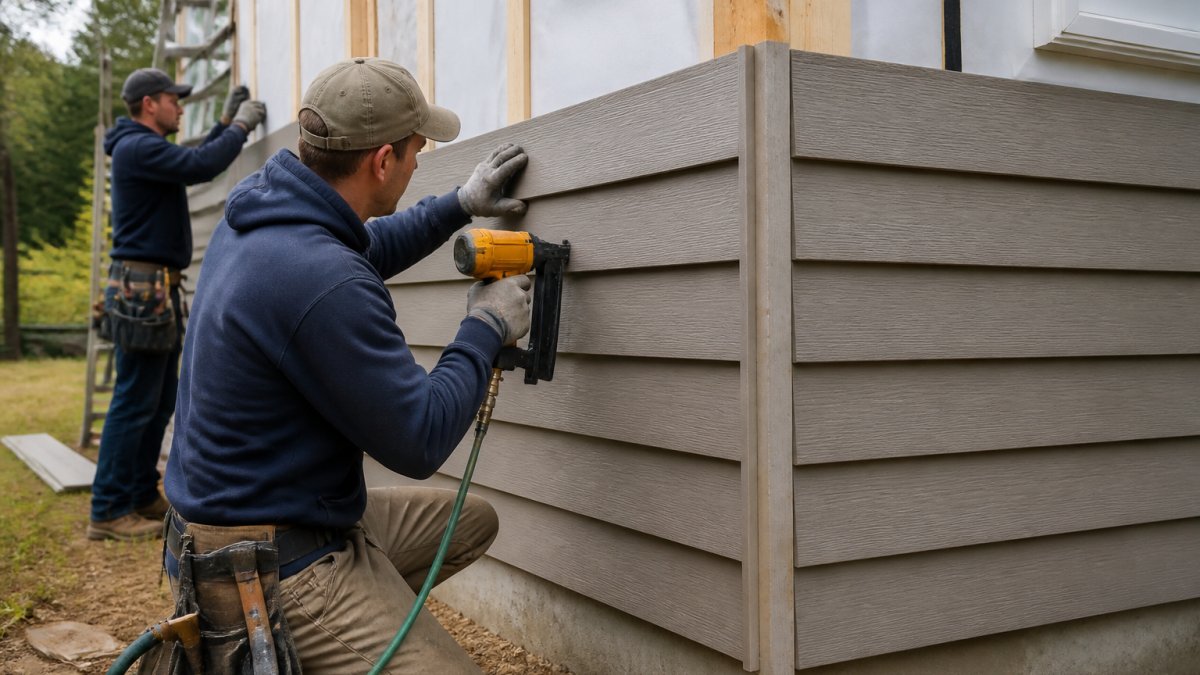
The actual work sequence follows a logical progression. First, the contractor removes old siding and inspects the underlying structure. Any necessary repairs to sheathing or framing happen before new materials go up. Then comes underlayment and flashing installation, followed by the new siding itself. Finally, trim, caulking, and cleanup complete the project.
Expect some disruption during installation. Contractors need access to exterior walls, which may involve moving landscaping, outdoor furniture, or vehicles. They'll generate noise and dust. Clarify with your siding installation experts what time they'll work, where they'll park, and how they'll manage debris.
Siding Repair vs. Replacement: Making the Right Call
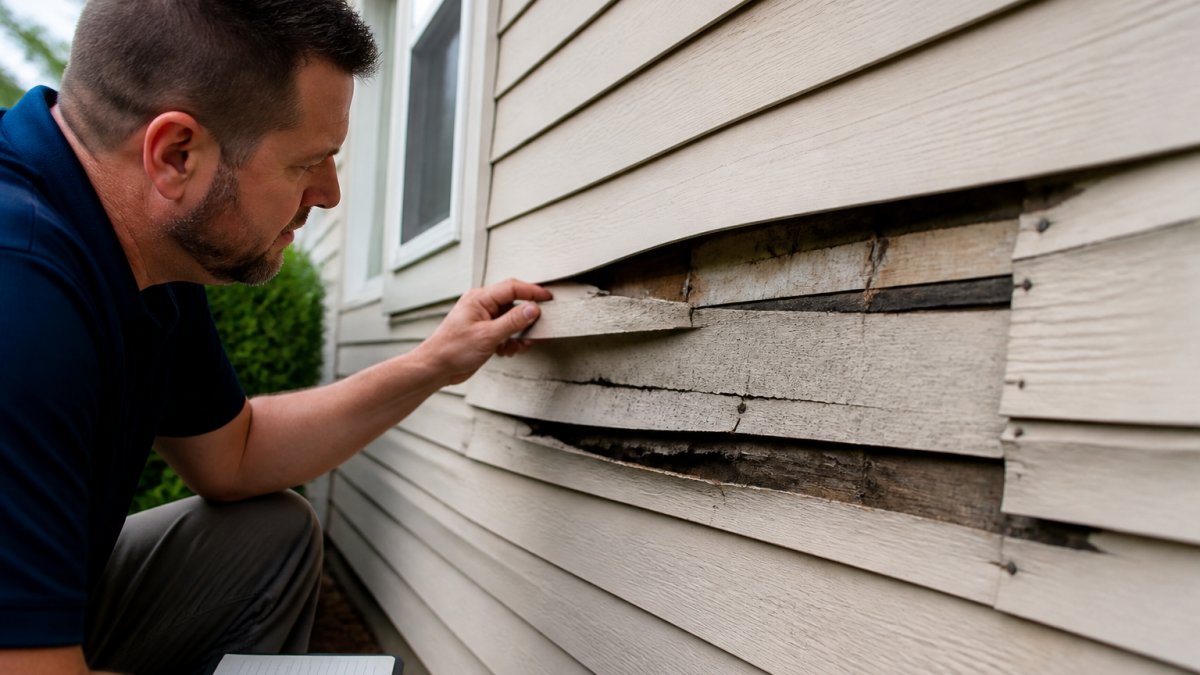
Deciding whether to repair or replace siding depends on the extent of damage, material age, and long-term plans for your home. Minor damage like a few cracked boards or small holes can be repaired cost-effectively. But if damage affects more than 25-30% of your home's siding, replacement usually makes more financial sense than patching.
Material age matters significantly. If your siding is nearing the end of its expected lifespan, repairs become increasingly temporary solutions. Vinyl siding typically lasts 20-40 years, fiber cement 25-40 years, and wood siding 20-40 years depending on maintenance.
Consider energy efficiency and maintenance burden. Older siding materials offer less thermal performance and may require frequent maintenance. Replacing with modern, energy-efficient materials reduces utility costs and maintenance time. This calculation changes if you're planning to sell soon versus stay long-term.
Water damage or structural issues always warrant professional evaluation. If moisture has penetrated behind the siding and damaged framing or insulation, repairs must address the underlying problem, not just cosmetic fixes. This is where siding installation experts earn their value by identifying problems homeowners miss.
How to Verify Licensing, Insurance, and Warranties
Before signing any contract with siding installation experts, verify their credentials. Most states require contractors to hold a license for this type of work. Ask for the license number and verify it with your state's licensing board.
Insurance coverage matters equally. Request proof of general liability insurance and workers' compensation coverage. If a worker is injured on your property or their work damages your home, insurance protects both parties. Contractors without insurance shift financial risk entirely onto you.
Ask about warranties in writing. The labor warranty should specify what's covered, for how long, and what you must do to maintain coverage. Some warranties require annual maintenance or specific care instructions. Understand these requirements before signing.
Verify that the contractor is properly registered with your local tax authority. This seems like a bureaucratic detail, but it indicates a legitimate, established business rather than a fly-by-night operation.
Check whether the contractor has any complaints filed against them. Many states maintain public complaint databases. A few complaints over many years is normal; numerous recent complaints suggest problems.
| Verification Item | What to Check | Where to Verify |
|---|---|---|
| Contractor license | License number and current status | State licensing board website |
| General liability insurance | Current policy with adequate coverage limits | Insurance company or contractor's agent |
| Workers' compensation | Current coverage for all employees | State workers' compensation board |
| Local registration | Business tax license or registration | City/county business licensing office |
| Complaint history | Any filed complaints or disciplinary actions | State licensing board public records |
Choosing Siding Materials for Durability and Performance
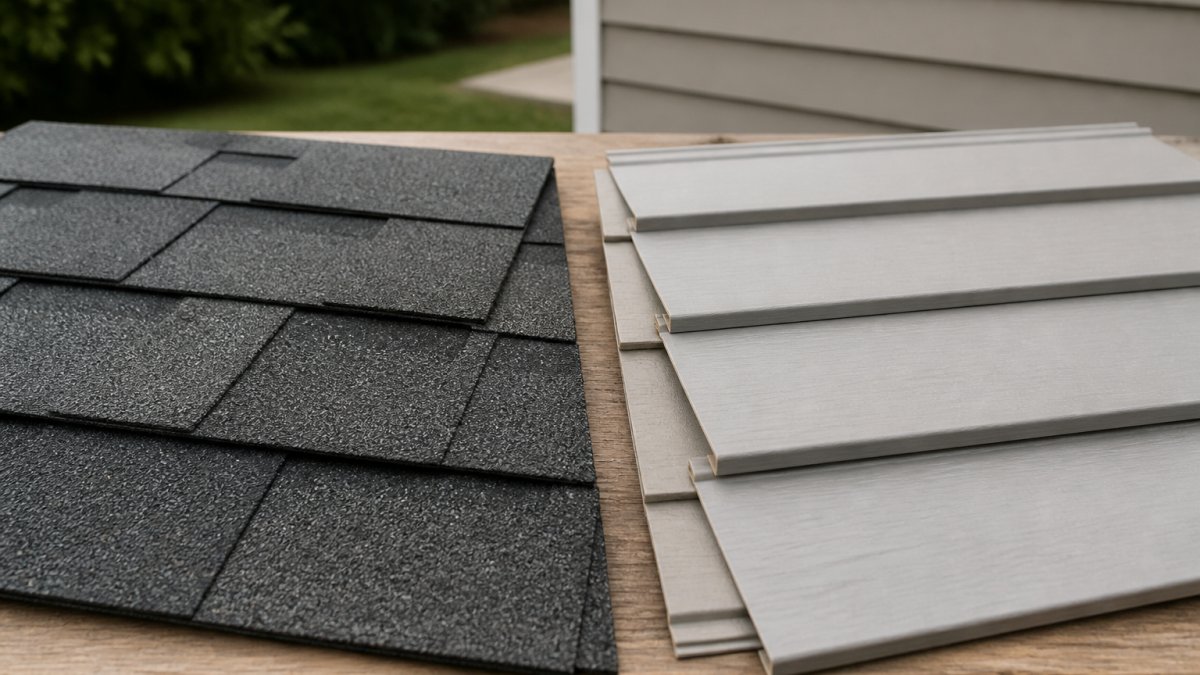
Siding material selection shapes both your home's appearance and its long-term maintenance requirements.
Vinyl. The lowest-cost and lowest-maintenance option. Expected service life runs roughly 20-40 years depending on quality and sun exposure.
Fiber cement. A composite of cement, sand, and cellulose fiber. Service life is commonly cited in the 25-40 year range, and it resists rot, insects, and fire better than wood or vinyl.
Wood. Classic appearance and the most repaintable option. Expect to repaint or re-stain every 5-7 years, more often in humid or high-insect regions. Wood is vulnerable to rot, termites, and moisture if any part of the envelope fails.
Metal (aluminum or steel). Durable, rot- and insect-resistant, and available in modern profiles. It can dent from impacts and may need touch-up paint over time.
How to decide. Work through four questions in order:
- What is your climate doing to the wall? Coastal salt air favors corrosion-resistant materials. Cold climates punish brittle vinyl. Humid regions punish wood. High-wind zones put a premium on fastener schedules and panel attachment, not just the panel itself.
- How long do you plan to stay? If you are selling in a few years, the lowest-maintenance option usually wins. If this is your forever home, pay more up front for a material that will not need repainting every few years.
- What is your maintenance tolerance? Vinyl and metal ask almost nothing of you. Fiber cement asks for occasional cleaning and repainting at long intervals. Wood asks for regular attention.
- What does your HOA or historic district allow? This is the constraint that kills more material plans than cost does. Check before you fall in love with a look.
Professional siding installation experts recommend materials suited to your specific environmental conditions, but the right answer is the one that matches your climate, your timeline, and your willingness to maintain it, not the one with the best brochure.
Frequently Asked Questions
What should I look for when choosing a local siding installation expert?
Look for contractors who are licensed and insured, have verifiable experience with residential siding projects, and can provide references from recent work. Ask about their warranty coverage, how long they've served your area, and whether they handle the entire project from estimate through cleanup. A reliable siding installation expert will offer a detailed written estimate, explain material options clearly, and commit to a specific timeline.
How long does a typical siding installation timeline take?
Most residential siding installation projects take 1 to 3 weeks, depending on home size, weather conditions, and material choice. Smaller homes or single-wall replacements may finish in 5 to 7 days. The siding installation timeline also depends on site preparation, if existing siding must be removed or the home's structure needs repair, expect additional time. Your contractor should provide a realistic start and completion date before work begins.
When should I repair siding versus replace it entirely?
Minor damage like a few cracked or missing pieces can be repaired cost-effectively. However, if more than 30% of your siding shows damage, rot, or severe weather wear, siding repair vs. replacement analysis typically favors full replacement. Replacement becomes more economical when repair costs approach 50% of new installation costs. If your siding is near the end of its lifespan (15-20 years for vinyl, 25-40 for fiber cement), replacement improves energy efficiency and home value more than patching.
What should a siding installation estimate include?
A complete siding installation estimate should list the square footage of siding, material type and cost per unit, labor costs, removal of old siding (if applicable), site preparation, trim and flashing work, and warranty details. It should also specify the project timeline, payment schedule, and any conditions (weather delays, structural repairs discovered during work). Request this in writing before signing any contract, and ensure the estimate includes cleanup and disposal of old materials.