 blog
blog
Can One Contractor Handle Roof and Siding?
Table of Contents
- Can One Contractor Handle Both Roofing and Siding?
- Do Roofers Fix Siding, or Are These Separate Trades?
- Benefits of Hiring One Contractor for Both Projects
- Drawbacks and Risks of a Single Contractor
- How to Verify a Contractor Is Qualified for Both Trades
- Roofing and Siding Project Cost and Sequencing
- Hiring a Roofing Contractor: What to Ask Before You Sign
- Frequently Asked Questions
Last Updated: October 11, 2026
Can One Contractor Handle Both Roofing and Siding?
Yes, one contractor can handle both roofing and siding, but the answer depends on whether that contractor holds the proper licenses and experience for both trades. At Real Property Industries, LLC, we work with homeowners who face this exact question when planning exterior renovations. The reality is more nuanced than a simple yes or no. Some contractors specialize in both. Others focus on one trade and subcontract the other. Understanding the difference matters because it affects your project timeline, costs, and warranty coverage.
Many homeowners assume that hiring a single contractor for both projects will simplify the process and save money. That assumption contains some truth, but it also overlooks real risks. A contractor who can genuinely handle both roofing and siding brings coordination advantages. However, not all contractors who claim to do both work are equally qualified in both areas. Some are excellent roofers who merely hire siding specialists. Others are the reverse.
The key question isn't whether one contractor can do both jobs. It's whether your contractor has the proper licensing, insurance, and experience to do both jobs well.
Do Roofers Fix Siding, or Are These Separate Trades?
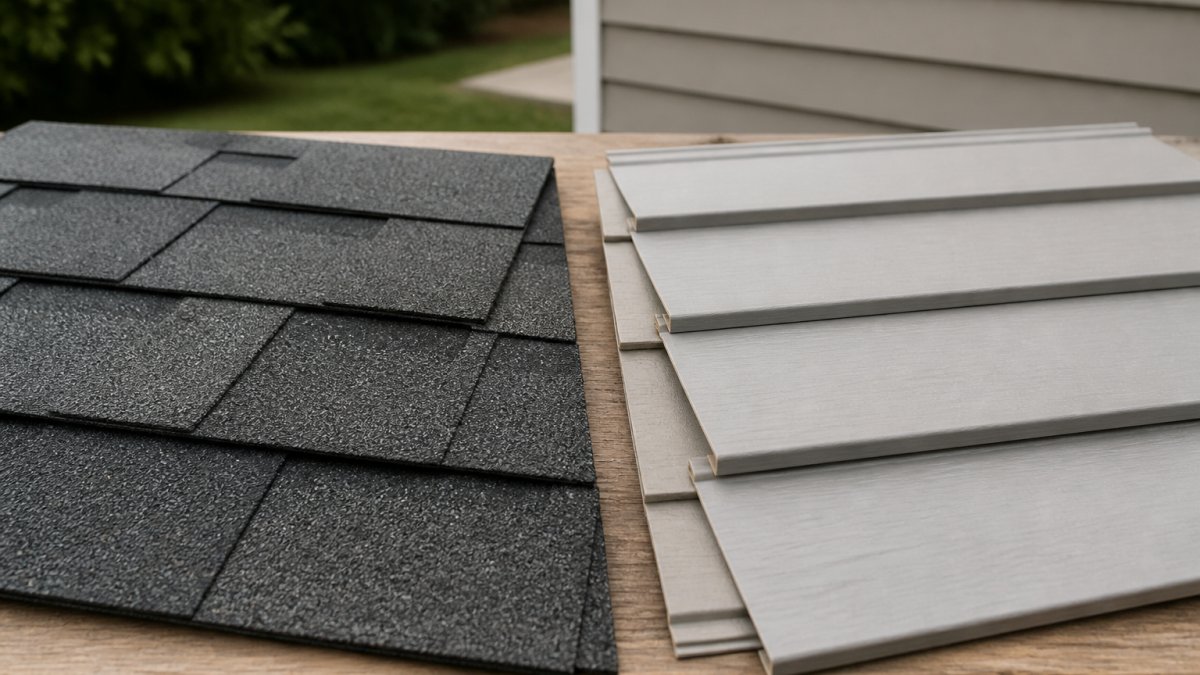
Roofing and siding are fundamentally different trades requiring distinct skill sets and certifications. A roofer specializes in slope work, weatherproofing at height, and managing water runoff. A siding installer focuses on wall coverage, fastening systems, and ensuring proper overlap and drainage at ground level. The tools differ. The materials differ. The safety protocols differ.
In most states, roofing and siding require separate licensing or at minimum separate certifications within a general contractor license. A licensed roofer may not be licensed to install siding, and vice versa. This legal distinction exists because the work demands different expertise. A roofer who installs siding without proper certification exposes both of you to liability if something fails.
That said, many general contractors hold licenses that permit them to perform both services. A licensed general contractor can legally hire and supervise both roofers and siding specialists. The contractor doesn't necessarily perform the work personally, but they coordinate it, ensure quality, and take responsibility for the outcome. This is a legitimate business model and often works well.
The distinction matters for your project. A contractor who holds dual certifications and performs both trades personally brings deep expertise to both. A general contractor who hires subcontractors for each trade brings project coordination skills but may have less hands-on knowledge of the specific installation details.
Benefits of Hiring One Contractor for Both Projects
Consolidating your roofing and siding work with a single contractor offers real advantages when the contractor is qualified for both.
Simplified coordination and scheduling. One point of contact manages the entire exterior project. The contractor sequences the work logically, avoids conflicts between crews, and ensures materials and labor align. Instead of juggling two separate contractors, two different schedules, and two different crews on your property, you deal with one team. This reduces confusion and miscommunication.
Consistent quality standards. A contractor who handles both trades applies the same quality standards throughout. They understand how the roof connects to the siding, how flashing transitions work, and how water management ties the two systems together. Roofing and siding are not isolated jobs. They interact at the edges, and a single contractor who understands both can manage those transitions properly.
Better warranty and accountability. When one contractor is responsible for both projects, the warranty picture is clearer. If water leaks where the roof meets the siding, there's no finger-pointing between two contractors. One contractor stands behind the entire exterior work. This accountability matters if problems emerge months later.
Potential cost savings. A single contractor may offer bundled pricing for both projects. You might save on overhead, mobilization costs, or scheduling inefficiencies. The savings are not guaranteed, but they're possible. Always request quotes for both scenarios: the projects bundled together and each project separately. Then compare.
Faster project completion. Because the contractor controls both trades and understands the dependencies, the work often moves faster. The roof can be finished, and the siding can begin immediately without scheduling gaps. Faster completion means less disruption to your home and lower overall labor costs in some cases.
Drawbacks and Risks of a Single Contractor
Hiring one contractor for both roofing and siding introduces real risks if you don't verify qualifications carefully.
Potential lack of specialization. A contractor who does both trades well is relatively rare. More common is a contractor who excels at one and is merely competent at the other. If you hire a roofing specialist who also installs siding, the siding work may not reach the same quality standard. The contractor may rush the siding to return to their core expertise.
Subcontracting without transparency. Many contractors who claim to do both trades actually hire subcontractors for one of them. This is not inherently bad, but it should be disclosed upfront. If a contractor quotes you for both projects but plans to subcontract the siding work, you should know that before signing. You're paying a markup on subcontracted labor, and you're depending on the contractor's ability to manage that subcontractor.
Divided attention during execution. If the contractor has crews working on both the roof and the siding simultaneously, their attention is split. Quality suffers when a contractor oversees two complex jobs at once. The work may slow down as the contractor moves between sites or between different areas of your property.
Warranty complications. Some contractors offer separate warranties for roofing and siding work. Others offer a single warranty but exclude certain conditions. Read the warranty carefully. If the roof leaks where it meets the siding, which warranty covers it? Clarify this in writing before work begins.
Higher risk of corner-cutting. A contractor juggling two trades under one contract may be tempted to cut corners to stay on schedule or budget. Roofing and siding both require precision. Shortcuts in either trade lead to leaks, drafts, and water damage that appear months or years later.
How to Verify a Contractor Is Qualified for Both Trades
Before hiring a contractor for both roofing and siding, verify their qualifications in writing.

Check licensing and certifications. Contact your state's licensing board or your local building department. Ask which specific licenses or certifications the contractor holds. A contractor should hold either dual licenses or a general contractor license that explicitly permits both roofing and siding work. Ask for the license number and verify it independently.
Request proof of insurance. The contractor should carry general liability insurance and workers' compensation coverage. Request certificates of insurance for both roofing and siding work. The certificate should list the contractor as the insured party and your property as an additional insured.
Ask about experience with both trades. How many roofing projects has the contractor completed? How many siding projects? Ask for references specific to each trade. Call those references and ask detailed questions about the quality of work, timeliness, and how the contractor handled issues.
Clarify who performs the work. Ask directly: "Will your crew perform the roofing work, or will you subcontract it?" If the contractor plans to subcontract either trade, ask for the name of the subcontractor and request references for that subcontractor's work. You have the right to know who is working on your home.
Get everything in writing. The contract should specify which work the contractor will perform personally and which will be subcontracted. It should list the scope of work for roofing and siding separately. It should include a single timeline for both projects and clarify how the work will be sequenced.
Roofing and Siding Project Cost and Sequencing
The cost and sequencing of roofing and siding work depend on the condition of each system and the contractor's approach.
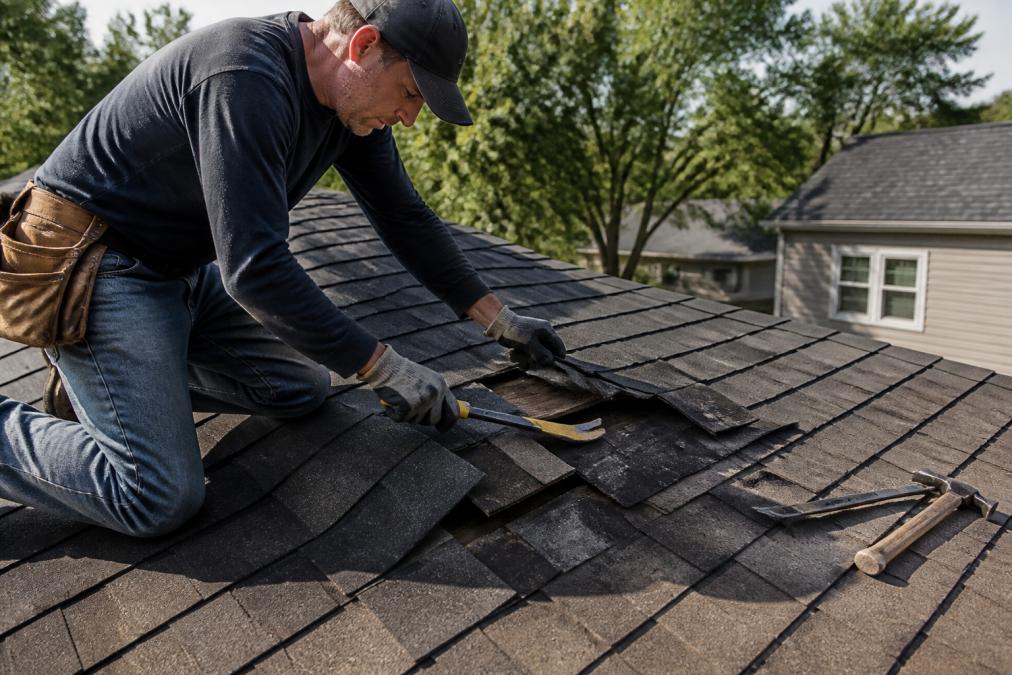
Project sequencing matters. In most cases, roofing should be completed before siding. Here's why: if the roof is damaged or leaking, water enters the walls and damages the framing behind the siding. Installing new siding over damaged framing is a waste of money. The framing may fail, and the siding will fail with it. Roof first, siding second is the logical sequence.
However, some situations reverse this order. If the roof is in good condition but the siding is deteriorating and allowing water into the walls, the siding may need to go first to stop the water damage. A qualified contractor will assess both systems and recommend the sequence that protects your home.
Costs vary by material and scope. Roofing and siding costs depend on the square footage, the materials chosen, and local labor rates. Real Property Industries, LLC provides estimates for both services, so you can compare the cost of bundling the work versus hiring separate contractors.
Bundling may reduce timeline. If the contractor sequences the work efficiently and has crews available for both trades, bundling can reduce the overall project timeline. A faster project means less disruption and potentially lower total costs. However, rushing either trade to meet an artificial deadline is a mistake. Quality takes time.
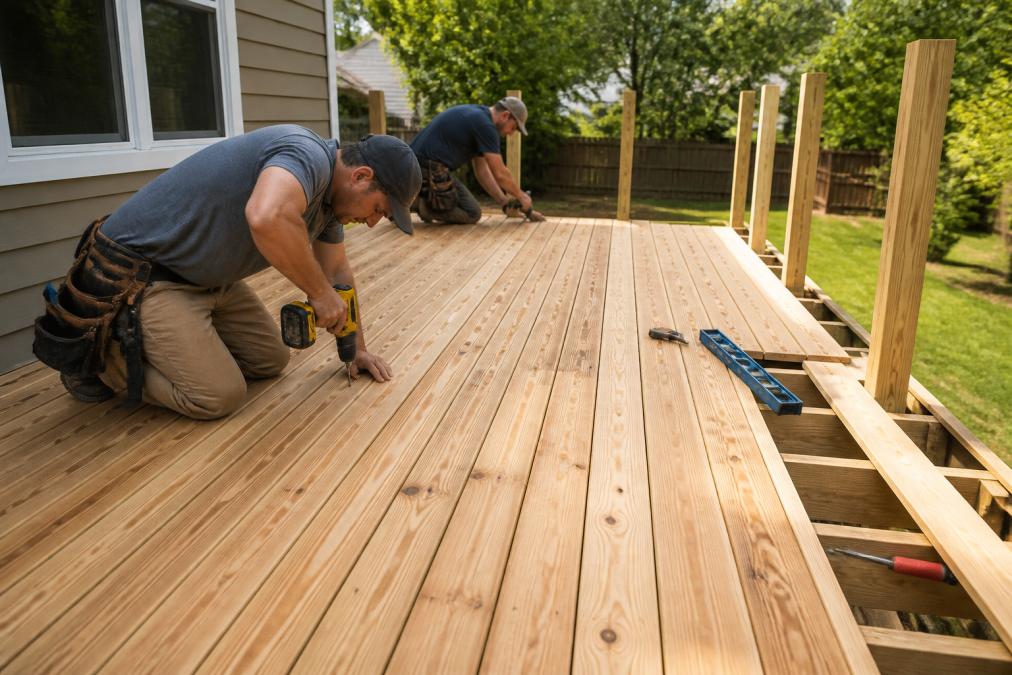
Staging the work may be necessary. For large properties or complex exteriors, the contractor may stage the work in phases. The roof might be completed in one phase, and the siding in another. This approach allows the contractor to focus on quality for each trade and manage logistics more effectively.
Hiring a Roofing Contractor: What to Ask Before You Sign
Before signing a contract with any roofing contractor, ask these questions to ensure you're hiring someone qualified and reliable.
How long have you been in business? A contractor with seven or more years of experience has weathered market changes and developed systems that work. Newer contractors may lack experience with complex situations or seasonal challenges.
Can you provide references from recent roofing projects? Ask for at least three references from roofing work completed in the past two years.
What warranty do you offer on roofing work? Warranties vary. Some contractors offer a one-year warranty on labor. Others offer five years or more. Understand what the warranty covers: labor only, materials, or both? What conditions void the warranty?
Will you handle the entire job, or will you subcontract parts of it? If the contractor plans to subcontract the roofing work, ask who the subcontractor is and request references for that subcontractor's roofing work specifically.
How do you handle unexpected problems discovered during the job? During roofing work, contractors sometimes discover rotted wood, structural damage, or other issues not visible before the work began.
What is your payment schedule? Reputable contractors typically ask for a deposit (often 25-50% of the contract price) to begin work, a progress payment as work nears completion, and a final payment upon project completion.
Are you licensed and insured? Ask to see the contractor's license and proof of insurance. Verify the license with your state or local building department.
Hiring a contractor for roofing and siding work is one of the largest investments a homeowner makes in their property. The right contractor simplifies the process, delivers quality work, and stands behind the results.
Frequently Asked Questions
Do roofers fix siding?
Some roofers do offer siding services, but roofing and siding are distinct trades requiring different skills and certifications. A contractor who specializes in roofing may hire a subcontractor for siding work, or they may have trained crews for both. Always verify that your contractor or their team holds proper licensing for each trade in your state.
Is it better to hire one contractor or separate specialists for roof and siding work?
One contractor simplifies communication, scheduling, and warranty accountability. However, specialists may deliver superior craftsmanship in their specific trade. The choice depends on the contractor's experience with both trades, your timeline, budget, and comfort with project coordination. Request references for completed roof and siding projects before deciding.
Will hiring one contractor save time or money on roof and siding projects?
A single contractor can often coordinate work more efficiently, reducing scheduling delays and overhead costs. However, savings depend on the contractor's expertise and crew size. Get detailed quotes from both single contractors and separate specialists to compare labor, materials, and timeline. Bundled projects may qualify for discounts, so ask about package pricing.
What should I check before hiring a contractor for roofing and siding?
Verify current licensing and insurance for both trades in your state. Request references for recent roof and siding projects, not just one trade. Confirm they carry general liability and workers' compensation insurance. Ask about warranty terms, subcontractor management, and what happens if issues arise post-completion. Get a detailed written estimate that breaks down labor, materials, and timeline for each phase of work.