
 Listicle
Hiring Professional Snow Removal: A 2026 Guide
Table of Contents
- How to Find Local Professional Snow Removal Providers
- Understanding Snow Removal Cost and Pricing Models
- Seasonal Snow Removal Contract vs. Pay-Per-Visit Plans
- Key Questions to Ask Before Hiring a Snow Removal Company
- Residential Snow Removal Services: What to Expect
- Comparing Snow Removal Providers and Service Options
- Requesting Quotes and Understanding Service Bids
- Preparing for Winter: Communication and Expectations
- Frequently Asked Questions
Last Updated: October 13, 2026
How to Find Local Professional Snow Removal Providers
Finding the right professional snow removal service starts with knowing where to look. Local contractors, regional chains, and online marketplaces all offer options, but the best fit depends on your property size, budget, and expectations.
Start by asking neighbors and local property managers who they use, word-of-mouth referrals come with real experience.
At Real Property Industries, LLC, we've worked with property owners across the region who often begin their search this way.
When evaluating options, look for licensed and insured providers. A licensed contractor has met state and local requirements, and insurance protects you if equipment damages your property or a worker gets injured on site.
Check service areas carefully. Some companies operate only in specific neighborhoods or zip codes. Confirm they actually service your location before investing time in a detailed conversation.
Understanding Snow Removal Cost and Pricing Models
Snow removal pricing varies widely based on property size, snowfall amount, and service type. Understanding the main pricing models helps you compare quotes fairly.
Seasonal contracts lock in a flat fee for the entire winter (typically November through March), so you pay the same whether it snows twice or twenty times.
Hourly rates apply mainly to smaller jobs like shoveling or walkway clearing, and are less common for full-service driveways or parking areas.
When comparing quotes, ask what's included: just plowing, or salting and ice control too? Are multiple visits per storm included?
Seasonal Snow Removal Contract vs. Pay-Per-Visit Plans
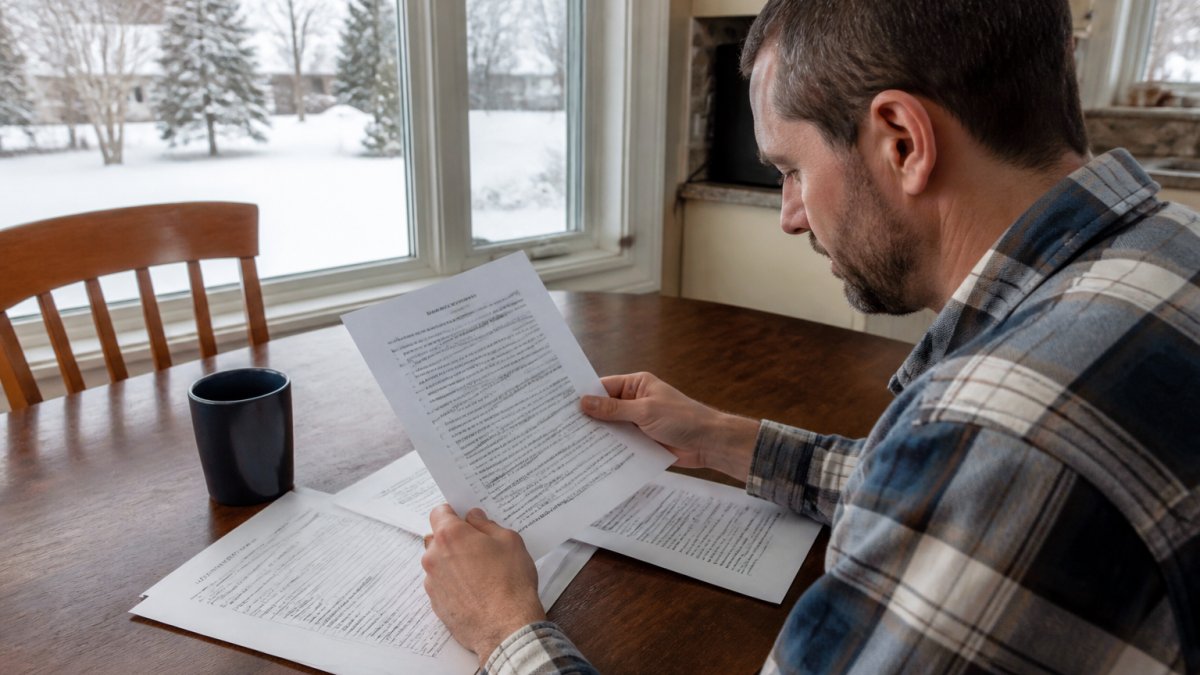
Choosing between a seasonal contract and pay-per-visit service depends on your risk tolerance and budget predictability.
Seasonal contracts make sense if you want guaranteed service during major storms. Once you sign, the contractor is obligated to clear your property, and you're not competing for their attention with other customers.
Pay-per-visit plans suit homeowners who prefer flexibility and don't mind variable costs, you only pay when service is needed, and you're not locked into a contract.
Real Property Industries, LLC recommends evaluating your local climate history. If your area averages 8+ significant snowfalls per winter, a seasonal contract usually saves money and guarantees service; with fewer than 5 storms, pay-per-visit might be cheaper.
One hybrid option: some contractors offer "on-call" plans with a smaller retainer fee to reserve capacity, then charge per visit, splitting the difference between cost certainty and flexibility.
Key Questions to Ask Before Hiring a Snow Removal Company
Before signing any agreement, ask these questions to understand what you're getting and what could go wrong.
"Are you licensed and insured?" This is non-negotiable. Ask for proof. Liability insurance protects you if the contractor's equipment damages your car, mailbox, or landscaping. Workers' compensation insurance covers injuries to their crew.
"What happens if you damage my property?" A plow blade can scrape siding, break a mailbox, or damage landscaping.
"Do you handle ice control, or just plowing?" Plowing removes accumulated snow; ice control (salting or sanding) prevents slippery surfaces. Some contractors include both, others charge separately, clarify what's covered in your agreement.
"How many visits per storm do you make?" A single pass might not be enough if snow falls throughout the day.
Vetting Contractor Credentials and Insurance
Credentials and insurance aren't just checkboxes. They're your protection if something goes wrong.
Start by verifying the contractor is licensed in your state. Requirements vary by state and sometimes county, so call your state's licensing board or check their website. A licensed contractor has passed exams, met insurance requirements, and agreed to follow industry standards, not a guarantee of quality, but a baseline.
Insurance is equally critical. Ask for a certificate of insurance showing:
- General liability (covers property damage and injuries)
- Workers' compensation (covers employee injuries)
- Commercial auto insurance (covers damage from vehicles)
The certificate should list you as an "additional insured," which means you're protected if you're sued for something the contractor does. Never hire a contractor who won't provide proof of insurance.
Liability and Property Damage Responsibility
This conversation is essential: snow removal involves heavy equipment moving near your home, and damage happens.
Ask your contractor: "If your plow hits my mailbox, who pays?" The answer should be: "My insurance covers it." A contractor who says "You pay" or "That's your responsibility" is shifting risk to you. That's a red flag.
Get damage responsibility in writing. Your contract should state that the contractor's liability insurance covers accidental damage caused by their equipment or crew, protecting you from unexpected repair bills.
Also ask about deductibles. Even if the contractor's insurance covers damage, their policy might have a deductible. You want to know if you'll be responsible for paying that deductible before insurance kicks in.
Residential Snow Removal Services: What to Expect
Understanding what each service type includes helps you request the right service and set realistic expectations.
Driveway and Parking Area Clearing
Driveway clearing is the core service: a plow truck or snow blower pushes snow to the sides of your driveway, usually into a windrow at the edge of your property or the street.
A single-car driveway usually clears in one pass; wider ones need multiple. Ask how they handle windrows, some contracts include pushing them back if they block your mailbox or sight line, others don't.
Parking areas follow the same logic but need more equipment and time. Commercial lots require wider plows and sometimes multiple vehicles, while residential parking areas (apartment complexes, small commercial properties) fall in between.
Sidewalk, Walkway, and Entryway Snow Removal
Sidewalks and walkways can't be plowed without damaging the surface, so contractors use snow blowers or shovels, labor-intensive work often priced separately from driveway plowing.
Ask if sidewalk clearing is included; some contractors include it, others charge extra. Entryway clearing is usually included, but confirm. In heavy snow you may need multiple visits to keep walkways clear, especially for elderly residents or children.
Ice Control and Safe Deicing
After snow is cleared, ice often remains. Ice control uses salt, sand, or other deicing agents to prevent slipping, a separate service from plowing that often adds to your cost.
Salt is effective but can damage concrete, harm vegetation, and contaminate groundwater (the EPA). Sand improves traction without melting ice, while newer products like calcium chloride or magnesium chloride work at lower temperatures and are less environmentally damaging.
Ask what deicing method they use and whether it's included. If you're concerned about environmental impact or pet safety (salt irritates paws), discuss alternatives upfront.
Comparing Snow Removal Providers and Service Options
When you have multiple quotes, use these factors to compare fairly.
Response Time and Service Availability
Response time matters most during major storms. Ask each contractor: "What's your typical response time after a snowfall?" Some guarantee 4-hour response; others work on a 24-hour cycle, clearing overnight storms by morning.
Also ask about availability. Does the contractor operate 24/7 during winter, or only business hours? Can you reach them on weekends?
Equipment and Snow-Depth Thresholds
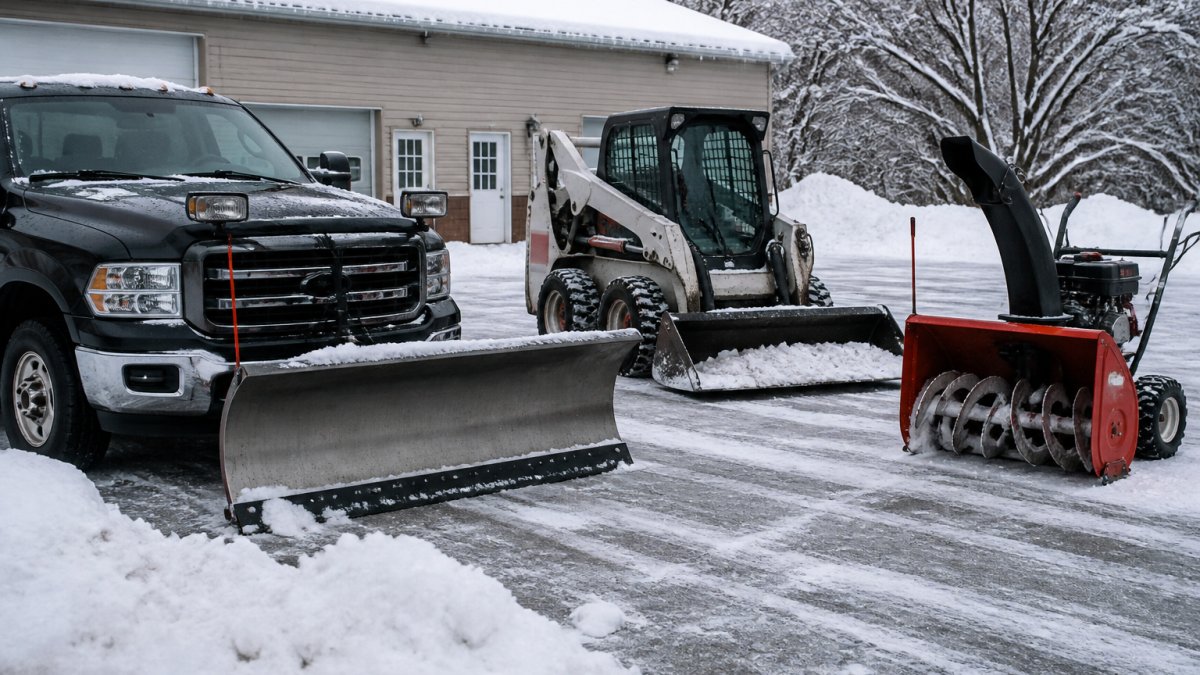
Different contractors use different equipment, pickup trucks with small plows for residential driveways, or full-size plow trucks for larger properties. Ask what they'll use for your property.
Also ask about snow-depth thresholds. Some contractors won't plow until snow reaches 2 inches; others start at 1 or 4 inches. A lower threshold means more frequent service and higher costs; a higher one means waiting longer but paying less.
Requesting Quotes and Understanding Service Bids
Getting multiple quotes is standard practice. Here's how to make the process efficient.
When you contact a contractor, provide specific information:
- Your property address
- Driveway size (length and width, or estimated square footage)
- Whether you need sidewalk or walkway clearing
- Whether you want ice control included
- Your preferred pricing model (seasonal, pay-per-visit, or hybrid)
With this information, contractors can provide accurate estimates. Vague requests lead to vague quotes.
When you receive bids, compare them side by side. Create a simple table:
| Contractor | Seasonal Price | Per-Visit Price | Included Services | Response Time |
|---|---|---|---|---|
| Provider A | $XXX | $XX | Driveway + salt | 4 hours |
| Provider B | $XXX | $XX | Driveway only | 24 hours |
| Provider C | $XXX | $XX | Driveway + walkway + salt | 6 hours |
This makes it easy to see what you're actually comparing. The cheapest option isn't always the best if it excludes services you need.
Ask each contractor for a written estimate. Email confirmations work. This creates a record and shows you're serious about hiring.
Preparing for Winter: Communication and Expectations
Once you've hired a contractor, set clear expectations before the first storm.
Confirm your contract start date (usually November 1) and how they'll contact you if service is needed, some send text alerts, others just show up.
Discuss parking.
Walk through your property together if possible. Point out obstacles like parked cars, mailboxes, landscaping, or septic systems. The contractor needs to know where they can and can't plow.
Get contact information and confirm how to reach them with questions or concerns, a contractor who's easy to reach is worth the effort.
Finally, document everything: keep copies of your contract, insurance certificates, and written communication. If a dispute arises, this documentation protects you.
Winter property maintenance doesn't have to be stressful. Hiring professional snow removal services means your driveway stays clear, your walkways stay safe, and you avoid the physical strain of heavy snow work.
Frequently Asked Questions
What should I ask a snow removal company before hiring them?
Ask about licensing, bonding, and insurance coverage. Request proof of credentials and clarify what services are included (driveway, sidewalk, ice removal). Confirm response times, equipment used, and snow-depth thresholds that trigger service. Discuss liability for property damage, warranty terms, and whether they offer seasonal contracts or pay-per-visit options. Ask for references and verify customer reviews on independent platforms.
What factors affect professional snow removal cost?
Snow removal cost depends on property size, driveway length, parking area square footage, service frequency, and your geographic location. Whether you choose seasonal contracts or per-visit pricing, ice control and deicing services, and equipment needs (plowing vs. shoveling) all influence final pricing. Response-time guarantees and automatic dispatch during snowfall events may increase costs. Request free estimates from multiple providers to compare pricing models.
Is a seasonal snow removal contract better than pay-per-visit?
Seasonal snow removal contracts offer predictable annual costs and guaranteed service during winter months, making them ideal if you want reliability without negotiating each storm. Pay-per-visit plans suit light-snow areas or homeowners who prefer flexibility and lower upfront costs. Seasonal contracts often include automatic dispatch when snow reaches a specified depth, while pay-per-visit requires you to call each time. Compare both options based on your area's typical snowfall and budget.
What does professional residential snow removal typically include?
Professional residential snow removal services typically include snow plowing or shoveling of driveways, clearing of sidewalks and walkways, removal of snow from entryways, and ice control or deicing of high-traffic areas. Some providers offer snow blowing for smaller properties. Services may include moving snow to designated areas on your property and hauling away excess snow. Confirm exactly what is covered in your quote, as service scope varies by provider and contract type.
How do I know if a snow removal contractor is licensed and insured?
Request a copy of the contractor's business license, liability insurance certificate, and proof of bonding. Verify the license number with your state's contractor licensing board. Check that liability insurance covers property damage and personal injury, with adequate coverage limits for your property value. Ask for the contractor's business registration and confirm they carry workers' compensation insurance if they employ staff. Never hire a contractor who cannot provide current, verifiable proof of licensing and insurance.