 Ultimate guide
Exterior Home Renovation Planning: A Step-by-Step Guide
Last Updated: November 7, 2026
Quick Summary
Exterior renovation planning starts with defining your goals, then inspecting the roof, structure and hidden damage before choosing upgrades. Next comes an itemized budget with contingency, early permit and HOA approval, and a sequence that runs top-down from roofing to landscaping.
- Rank priorities by consequence: roof and structure first, cosmetic work last.
- Inspect for hidden damage such as soft spots, staining under eaves and sheathing problems before committing to a finish.
- Build the budget in four layers: hard costs, soft costs, contingency and financing costs.
- Start permit and HOA applications early, since approval often takes several weeks.
- Sequence work top-down, with roofing before siding and landscaping last, under one coordinating contractor.
Table of Contents
- Start With Scope and Renovation Goals
- Inspect First: Roof, Structure, and Hidden Damage
- Home Exterior Renovation Ideas by Component
- Using a Visualizer and Before-and-After Planning
- Budgeting: Itemized Costs, Contingency, and Financing
- Permits, HOA Rules, and Building Codes to Check
- Sequencing Phases and Coordinating Trades
- Choosing Contractors and Planning Your Next Step
- Frequently Asked Questions
Planning exterior renovation planning well starts with knowing what you actually need before anyone picks up a tool. This guide from Real Property Industries, LLC walks Charleston and Huntington homeowners through a sequence that moves from scope and inspection to budgeting, permits, phasing and choosing a contractor. The order below reflects how exterior projects tend to interact on a real property.
Start With Scope and Renovation Goals
An exterior renovation is only as good as the goals behind it. Before you request quotes, decide whether the project is about protecting the structure, improving curb appeal, lowering maintenance, or preparing a property for rental income. Each goal changes which work comes first.
Ranking Priorities: Roof, Siding, Windows, and Curb Appeal
Rank your priorities in order of consequence. A failing roof threatens the interior and the structure, so it usually outranks a cosmetic siding update. Siding and windows protect against moisture and drafts. See seven signs that old siding is worth repairing instead of replacing. Check whether your siding needs replacement rather than repair.
Inspect First: Roof, Structure, and Hidden Damage
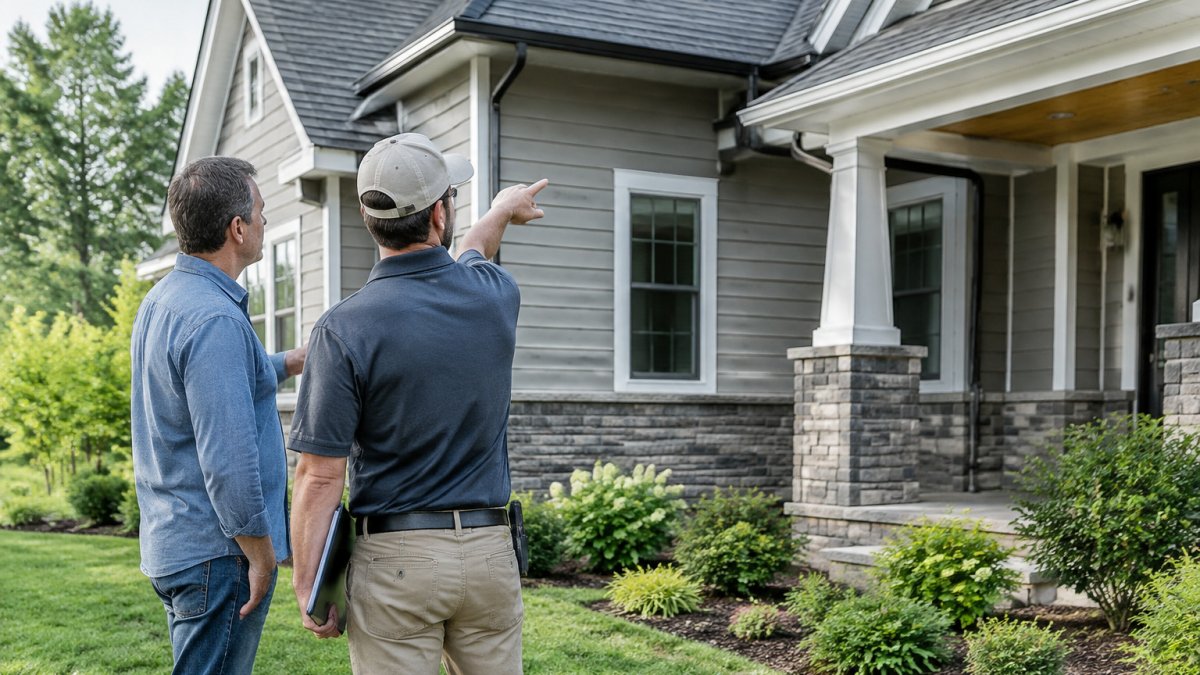
Inspection is the decision gate for everything that follows. Visible wear on shingles or siding often hides damage to sheathing, flashing, or framing. Learn the signs that call for professional roof repair.
Watch out: cosmetic repainting over water-damaged siding hides rot that will spread. Confirm the substrate is sound before committing to a finish.
Home Exterior Renovation Ideas by Component
Once the structure is sound, you can choose upgrades component by component. Each element affects durability, energy performance, and appearance differently.
Siding, Windows, Doors, and Paint Selection
Choose materials for your climate. Fiber cement, engineered wood, and vinyl each perform differently in humidity and temperature swings, so compare them for your climate. Replacement windows and a solid front door improve both insulation and street presence. Paint color should coordinate with roofing and masonry rather than compete with them.
Landscaping, Lighting, Shutters, and Finishing Details
Landscaping grounds the house and manages drainage away from the foundation. Exterior lighting improves safety and highlights architectural features. Shutters, fencing, and a retractable awning add character, but they work best after the major components are complete.
Using a Visualizer and Before-and-After Planning
Exterior home remodel visualizers let you preview color schemes, materials, and layout changes before any work begins. Keep before-and-after photos of your own property; they become a useful record for contractors and for future resale.
Budgeting: Itemized Costs, Contingency, and Financing
A renovation budget is not one number. It is a stack of line items, and the planning work is deciding which lines are fixed, which are variable, and which are unknown until the structure is opened. Build the budget in four layers: hard costs (labor and materials), soft costs (permits, design, disposal), contingency (hidden damage), and financing costs (interest, fees, origination).
Itemized Cost Ranges by Project Type
Pricing depends on region, roof pitch, access, and material grade, and the cost drivers are consistent. Ask every contractor to break quotes into these line items so you can compare bids apples to apples:
- Roof replacement: tear-off and disposal, underlayment, flashing, decking repair, material (asphalt shingle vs. metal vs. architectural shingle), ridge vent, and labor. The biggest swing factors are roof pitch, number of layers to tear off, and whether sheathing needs replacement.
- Siding: removal of old cladding, house wrap and weather barrier, sheathing repair, material (fiber cement, engineered wood, vinyl), trim, and painting or factory finish. Two-story homes and complex gables add labor.
- Windows and doors: unit cost by size and material (vinyl, fiberglass, wood-clad), installation labor, trim, flashing, and disposal. Historic-district or HOA-approved profiles can add cost and lead time.
Contingency: How Much to Reserve
A contingency reserve is not padding, it is the line item that keeps a hidden-damage discovery from stalling the project. Scale the reserve to the age and condition of the home: a smaller reserve for a newer home with a sound inspection, a larger reserve for an older home or one with known moisture issues.
Financing Options to Compare
Compare financing on total cost, not monthly payment. Weigh repair against replacement before you commit budget for a roof. Common options include a home equity line of credit, a home equity loan, a cash-out refinance, a contractor-offered installment plan, and cash. Each has different interest treatment, closing costs, and risk. Ask whether the lender charges an origination fee, whether the rate is fixed or variable, and whether prepayment carries a penalty.
Return on Investment and Resale
Not every dollar returns at resale. Protective work (roof, siding, drainage) protects the interior and is usually valued by buyers and appraisers; purely cosmetic work improves marketability but may not appraise. Ask your contractor and a local real estate professional which upgrades in your area tend to hold value, and weigh resale value alongside comfort, maintenance savings, and energy performance rather than treating any one as the only goal.
The budget is built from four layers, and each has a different job in keeping the project on track.
| Layer | What it covers | Planning note |
|---|---|---|
| Hard costs | Labor and materials | Ask contractors for itemized quotes |
| Soft costs | Permits, design, disposal | Easy to overlook at the start |
| Contingency | Hidden damage | Scale to the home's age and condition |
| Financing costs | Interest, fees, origination | Compare total cost, not monthly payment |
Permits, HOA Rules, and Building Codes to Check
Regulatory approvals are the most common cause of delays in exterior renovation planning, and they are the step most homeowners start too late. Treat permits and HOA approval as a planning phase that runs in parallel with contractor selection, not as paperwork to handle after the contract is signed.
Which Exterior Projects Typically Require a Permit
Permit thresholds vary by jurisdiction, but the pattern is consistent. Projects that typically require a permit include:
- Roof replacement or structural roof repair (some jurisdictions allow minor repair without a permit; replacement usually requires one).
- Siding replacement when the sheathing or weather barrier is altered.
- Window and door replacement when the opening size changes or when egress or structural framing is affected.
Cosmetic repainting and like-for-like replacement of trim often do not require a permit, but confirm with the local building department before assuming.
The Jurisdiction-by-Jurisdiction Checklist
Build a single folder, paper or digital, and collect the following before work is scheduled:
- Local building department: confirm whether a permit is required, what the fee is, who may pull it (some jurisdictions require the licensed contractor to pull it), and what inspections are required at which stages.
- Zoning or planning department: confirm setbacks, height limits, and any overlay district (historic, coastal, floodplain) that adds review.
- Homeowners association: request the architectural review application, the design guidelines, the approved material and color list, and the review timeline in writing.
- Historic preservation commission (if applicable): confirm whether the property is in a historic district and what exterior changes require a certificate of appropriateness.
- Floodplain or coastal authority (if applicable): confirm whether floodplain rules affect elevation, materials, or openings.
- Utility and right-of-way: confirm whether landscaping, fences, or driveways affect easements or utility lines.
HOA Approval: Timeline and Documents
HOA architectural review often takes several weeks and sometimes longer if the board meets monthly. Submit early, and submit a complete package: a site plan, material samples or manufacturer spec sheets, color chips, elevation drawings or photos of the proposed change, and the contractor's license and insurance certificates.
Watch out: starting work before HOA approval can result in a stop-work order and a requirement to remove or reverse completed work at your own cost.
Building Codes and Contractor Licensing
Confirm that the contractor holds the license required for the trade and jurisdiction, carries general liability insurance and workers' compensation, and will pull the permit where required. Ask for the license number and verify it with the state or local licensing board. Confirm who is responsible for scheduling inspections and for correcting any failed inspection.
Sequencing Regulatory Approval With the Project
Run the regulatory track in parallel with the contractor track: submit HOA and historic applications as soon as the scope is defined, schedule the permit application once drawings or specs are ready, and do not release materials or schedule crews until approvals are in hand. Build the approval timeline into the project schedule rather than treating it as a formality, and confirm in writing with each contractor that their schedule accounts for inspection windows.
Sequencing Phases and Coordinating Trades
Sequence work from the top down. Roofing comes before siding so that flashing and underlayment are not damaged during cladding installation.

Exterior home renovation planning works best when one contractor coordinates the phases. Our team at Real Property Industries, LLC handles roofing, siding, decking and landscaping under a single schedule, which reduces handoffs between trades.
Choosing Contractors and Planning Your Next Step
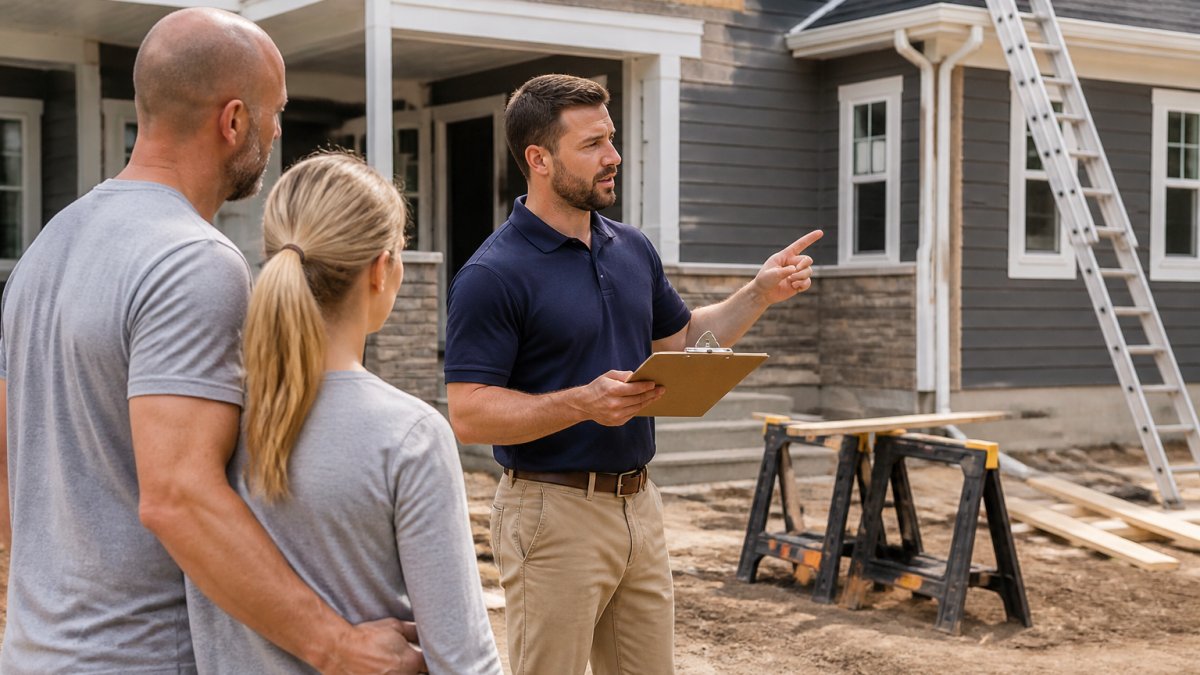
Choose a contractor who is licensed and insured, provides itemized written estimates, and can explain the sequence of work. Use this checklist of questions to ask contractors before you sign. Before you sign, review our U.S. Department of Housing and Urban Development guidance on home improvement contracts for consumer protections.
If you are ready to plan your project, start with the inspection and scope steps above, then request an itemized quote. Real Property Industries, LLC serves homeowners across the greater Charleston and Huntington area, with licensed and insured crews for roofing, siding, decking, landscaping and snow removal.
Frequently Asked Questions
What is the 30% rule for renovations?
The 30% rule is a rough guideline suggesting that a renovation should not cost more than about 30% of your home's current market value, so the added value stays in proportion to the spend. It is a starting point, not a law. Compare the project cost against recent sales of similar homes in your area, and ask a local real estate agent or appraiser what exterior work typically adds value there. Roofing, siding, and entry door upgrades often hold their value well, while purely decorative additions may not.
In what order should exterior work be done?
Work from the top down. Address the roof and any structural or drainage problems first, because repairs there can damage new siding, paint, or landscaping. Next come windows, doors, and siding, then exterior paint and trim. Landscaping, hardscaping, outdoor lighting, and fencing usually come last so heavy equipment does not destroy new plantings or finishes. Confirm the sequence with your contractor before scheduling.
How long does an exterior home renovation take?
Timelines depend on scope, weather, material availability, and permit approval. A single component such as a roof replacement may take a few days, while a full exterior project with roofing, siding, windows, and landscaping can run several weeks or longer. Ask each contractor for a written schedule with milestones, and build in buffer time for weather delays. Pricing and schedules vary by project, so request a written estimate from Real Property Industries, LLC for a timeline specific to your home.
Can I renovate my home's exterior in phases?
Yes. Phasing spreads cost over time and lets you prioritize urgent repairs such as roof leaks or failing siding first. Plan the full scope up front so each phase fits the final design and does not undo earlier work. For example, replace the roof before painting or installing new siding, and coordinate window installation with siding so flashing is done correctly. Ask your contractor how each phase connects to the next.
How should I budget for an exterior remodel?
Build an itemized budget covering materials, labor, permits, disposal, and delivery for each component. Add a contingency reserve sized to the age and condition of the home to cover hidden damage such as rot under siding or deteriorated sheathing discovered during work. Get written estimates from several qualified contractors and compare line items, not just totals. Financing and insurance questions are worth raising early. Real Property Industries, LLC can provide a written quote based on your specific home.
Do I need a permit for exterior renovation work?
Many exterior projects, including roof replacement, structural changes, decks, and some window or door work, require permits from your local building department. Requirements vary by city, county, and homeowners association, so check with each before work begins. Unpermitted work can cause problems when you sell the home or file an insurance claim. Ask your contractor who will pull the permits and whether the work will be inspected.
How do I check that a contractor is licensed and insured?
Ask for the contractor's license number and certificate of insurance, then verify both with your state licensing board and the insurer. Confirm the policy covers general liability and workers' compensation. Get the warranty terms in writing, including what the contractor will fix and how long coverage lasts. Real Property Industries, LLC is a licensed and insured contracting company serving the greater Charleston/Huntington area.
What should I do before planning an exterior remodel?
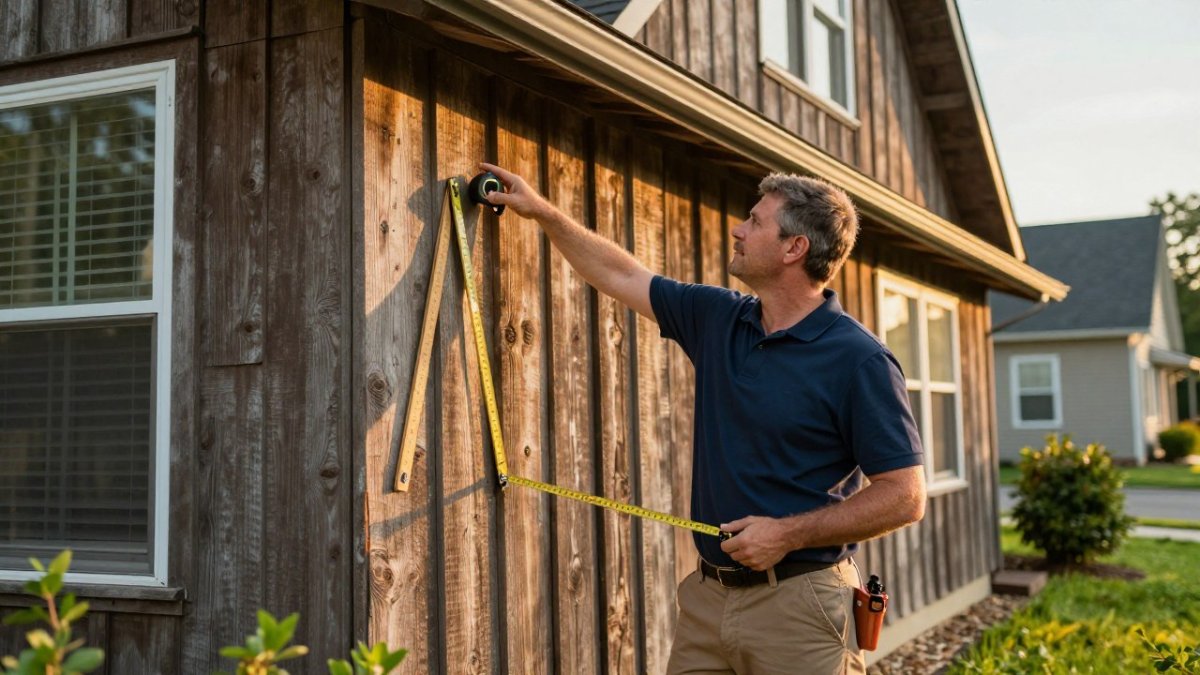
Start with a professional inspection of the roof, siding, foundation, drainage, and windows to identify hidden damage before you fix the design. Define your goals, such as curb appeal, energy efficiency, or protection from weather, and rank them. Measure the house, note material preferences, and collect photos for reference. These steps give contractors what they need to produce accurate estimates and reduce surprises during construction.