 ultimate-guide
Benefits of Hiring Licensed Exterior Contractors
Table of Contents
- Why Licensed Exterior Contractors Matter for Your Home
- How to Verify Contractor Insurance and Licensing
- Liability, Insurance Protection, and Your Homeowner Safety
- Compliance with Building Codes and Local Ordinances
- Questions to Ask Exterior Contractors Before Hiring
- Risks of Hiring Unlicensed Contractors and Financial Exposure
- Warranty, Workmanship Guarantees, and Legal Recourse
- Conclusion
- Frequently Asked Questions
Last Updated: October 7, 2026
Why Licensed Exterior Contractors Matter for Your Home
Hiring a licensed exterior contractor isn't just a preference, it's a foundational decision that affects your home's safety, value, and your legal standing as a homeowner. When you work with licensed exterior contractors, you're engaging professionals who have met specific regulatory requirements, carry proper insurance, and operate under legal accountability. Real Property Industries, LLC has spent over seven years serving homeowners in the greater Charleston/Huntington area.
The difference between hiring a licensed professional and an unlicensed operator often comes down to what happens when something goes wrong. A licensed contractor carries liability insurance, maintains workers' compensation coverage, and operates under a framework of building codes and local ordinances. An unlicensed operator leaves you exposed, personally liable for injuries on your property, vulnerable to incomplete work, and without legal recourse if the job fails.
This guide covers what you need to know before hiring, how to verify credentials, and why the protection of working with licensed exterior contractors matters far more than saving a few dollars upfront.
How to Verify Contractor Insurance and Licensing
Verifying a contractor's credentials is straightforward if you know what to look for. Start by asking for proof of licensing directly. A legitimate licensed contractor will provide their license number without hesitation and will encourage you to verify it independently. Contact your state's licensing board or local building department to confirm the license is current and in good standing. Many states maintain searchable databases online.

Insurance verification requires equal diligence. Request certificates of insurance for both general liability and workers' compensation. A certificate of insurance is a formal document issued by the contractor's insurance company that proves coverage is active. Call the insurance company directly to confirm, don't rely solely on the document the contractor provides. Ask for the policy limits and coverage dates. General liability should protect you if the contractor damages your property; workers' compensation protects you if a worker is injured on your property.
Many homeowners skip this step, assuming a contractor who looks professional must be insured. That assumption costs people thousands. A contractor without workers' compensation insurance means you could be liable for medical bills if someone is injured on your job. Liability coverage gaps mean you're paying out of pocket if something goes wrong.
Document everything in writing. Request a detailed estimate that breaks down labor, materials, and timeline. A professional contractor will provide this without complaint. This becomes your reference point if disputes arise later.
Liability, Insurance Protection, and Your Homeowner Safety
Liability protection is the invisible shield that separates professional work from risk. When you hire a licensed exterior contractor with proper insurance, that contractor assumes responsibility for injuries and property damage that occurs during the project. Without it, you assume that responsibility yourself.
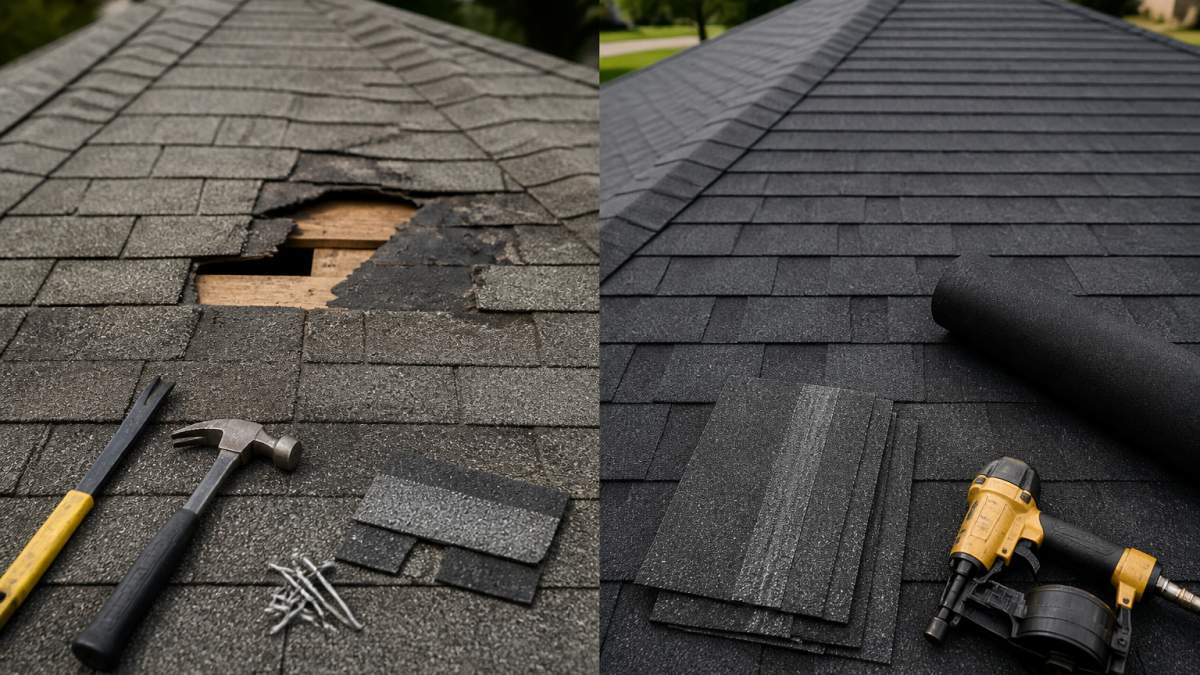
Consider a common scenario: a worker falls from your roof while installing new shingles. If the contractor carries workers' compensation, their insurance covers the medical bills and lost wages. If they don't, you could face a lawsuit, medical bills, and potential wage garnishment. The cost of a single injury claim often exceeds what you saved by hiring an unlicensed operator.
Homeowner's insurance typically does not cover injuries to contractors or their employees on your property. That's what the contractor's workers' compensation is for. If an unlicensed contractor gets injured and sues you, your homeowner's policy may deny the claim because you hired someone operating illegally. You then pay the judgment directly.
Liability insurance also protects against property damage. If a contractor damages your home, a neighbor's property, or a vehicle while working, their liability policy covers repairs. Without it, the contractor may disappear, leaving you to file a claim against your own insurance and pay the deductible.
The protection extends to legal recourse. If something goes wrong, you have a documented trail, the insurance company, the contractor's license, written contracts, and regulatory oversight. An unlicensed operator leaves you with only a verbal agreement and no institutional backing.
Compliance with Building Codes and Local Ordinances
Building codes exist to ensure structural safety, electrical integrity, and occupant protection. Licensed exterior contractors understand these codes and operate within them. Unlicensed operators often cut corners on compliance to reduce costs and speed up timelines.
Local ordinances vary by jurisdiction. Some require permits for roof replacements, siding work, or deck construction. Others mandate inspections at specific stages. A licensed contractor knows these requirements for your area and ensures permits are obtained and inspections are scheduled. This protects you legally and ensures the work meets safety standards.
Permits matter more than many homeowners realize. Unpermitted work creates liability when you sell your home. Buyers' inspectors often catch unpermitted exterior work, which can derail a sale or force you to bring the work into compliance retroactively, a far more expensive process than doing it right the first time.
Building code compliance also affects insurance claims. If your roof fails and you file a claim, the insurance company investigates how it was installed. If it wasn't installed to code, they may deny the claim. A licensed contractor's work is presumed to meet code; an unlicensed contractor's work is presumed not to.
Questions to Ask Exterior Contractors Before Hiring
The questions you ask reveal whether a contractor is legitimate and whether they're right for your project. Start with the essentials: "Are you licensed in this state?" "Can you provide proof of current workers' compensation insurance?" "Do you carry general liability insurance?" A hesitation or vague answer is a red flag.
Ask for references from recent projects similar to yours. Call those references. Ask whether the contractor showed up on schedule, communicated clearly, and addressed issues that arose. Ask whether they would hire that contractor again. One or two lukewarm references among many strong ones is normal; multiple negative references is a warning.
Inquire about warranty coverage. What does the contractor guarantee? For how long? Will they return to fix problems that emerge after the job is complete? A professional contractor stands behind their work. Many offer warranties on materials and labor, typically one to five years depending on the service.
Ask how they handle change orders. Projects sometimes require adjustments once work begins. How will the contractor communicate these changes and adjust the price? A clear process protects both parties. Vague answers suggest the contractor may spring surprise costs on you later.
Ask about their experience with your specific project type. A contractor experienced in roofing may not be ideal for siding work. Specialization matters. How many projects like yours have they completed? How long have they been in business?
Finally, ask about their process for obtaining permits and scheduling inspections. This is the contractor's responsibility, not yours. If they seem unclear about this, they may not be familiar with local requirements.
Risks of Hiring Unlicensed Contractors and Financial Exposure
The financial risks of hiring an unlicensed contractor extend far beyond the initial savings. Many homeowners choose unlicensed operators because they quote lower prices. That discount often reflects corners cut on materials, labor quality, or insurance, all of which create hidden costs.
If the work fails prematurely, you pay for repairs twice: once to the unlicensed contractor and again to fix what they did wrong. A roof that leaks within two years, siding that cracks or separates, or a deck that becomes unsafe all require replacement.
Legal exposure is substantial. If an unlicensed contractor is injured on your property and sues, you could face medical bills, lost wages, and legal fees. Even if you win the lawsuit, legal costs are significant. If you lose, the judgment could exceed tens of thousands of dollars.
Unpermitted work creates a liability chain. If you sell your home, the new owner may discover unpermitted exterior work and demand you bring it into compliance or reduce the sale price.
Insurance claims are another financial risk. If damage occurs and you file a claim, the insurance company investigates how the work was done. If it was performed by an unlicensed contractor or without permits, they may deny the claim. You then pay for repairs out of pocket.
The hidden cost of unlicensed work is accountability absence. If something goes wrong, you have no recourse beyond small claims court, which has limited jurisdiction and recovery potential. You cannot file a complaint with a licensing board because there is none. You cannot pursue a contractor's bond or insurance.
Warranty, Workmanship Guarantees, and Legal Recourse
A warranty is a promise. Licensed contractors typically offer written warranties on their work, usually one to five years depending on the service and materials. A roof warranty might cover leaks due to installation defects for five years. A siding warranty might cover separation or cracking for three years.
Workmanship guarantees matter because they create accountability. A contractor who guarantees their work has financial incentive to do it correctly the first time. They know they'll pay to fix problems that emerge within the warranty period. An unlicensed operator with no warranty has no such incentive.
Legal recourse exists when a licensed contractor fails to perform. You can file a complaint with the state licensing board, which can investigate, sanction, or revoke the contractor's license. You can pursue small claims court or civil litigation.
With an unlicensed contractor, legal recourse is limited. Small claims court has monetary caps, typically a few thousand dollars (Understanding small claims court). Civil litigation is expensive and time-consuming. You have no licensing board to file complaints with. You have no bond to claim against.
A written contract with a licensed contractor creates a clear framework. It specifies what work will be done, when, at what price, and what happens if the contractor doesn't perform or if problems arise. It details how disputes will be resolved.
Real Property Industries, LLC stands behind every project with clear warranties and a commitment to return and fix any issues that arise. That accountability is built into our seven years of service in the greater Charleston/Huntington area.
Conclusion
The decision to hire licensed exterior contractors is fundamentally about protection, protection for your home, your finances, and your legal standing. Licensed contractors carry insurance, operate under building codes, maintain accountability through licensing boards, and stand behind their work with warranties. The upfront cost is higher than unlicensed alternatives, but the hidden costs of unlicensed work, injuries, failed repairs, legal liability, and insurance claim denials, far exceed any initial savings.
Real Property Industries, LLC has built seven years of trust in the greater Charleston/Huntington area by delivering licensed, insured exterior work in roofing, siding, decking, and landscaping. We handle permits, inspections, and compliance so you don't have to. We stand behind our work with warranties and the accountability that comes with proper licensing and insurance. When you're ready to hire a contractor for your exterior project, start with a licensed professional who takes responsibility seriously.
Frequently Asked Questions
How do I verify if an exterior contractor is licensed and insured?
Request your contractor's license number and insurance certificates before work begins. Contact your state's licensing board or contractor regulatory agency to confirm the license is active and in good standing. Ask for proof of workers' compensation insurance and general liability coverage. Verify the policy dates cover your project timeline. A licensed contractor will provide this documentation without hesitation and can explain what their coverage protects.
What are the legal risks of hiring an unlicensed contractor?
Unlicensed contractors operate outside regulatory oversight, leaving you vulnerable to poor workmanship, unfinished projects, and no legal recourse if something goes wrong. If injuries occur on your property, you may face liability claims since the contractor lacks workers' compensation insurance. Your homeowner's insurance may deny claims related to unlicensed work. You also lose protection under consumer protection laws and bonding requirements that licensed contractors must maintain.
Does a contractor's license cover liability for property damage?
A contractor's license itself doesn't cover liability, but licensed contractors are required to carry general liability insurance, which does. This insurance protects your property if the contractor accidentally damages it during the project. Always request proof of active liability coverage before hiring. Licensed contractors also maintain professional standards and accountability mechanisms that unlicensed workers don't have, giving you additional protection and legal recourse.
Why is it important to hire a contractor with local licensing?
Local licensing ensures your contractor understands regional building codes, permit requirements, and inspection processes specific to your area. Licensed contractors stay current with local ordinances and safety standards, reducing the risk of code violations that could affect your property's value or create liability issues. Local licensing also means the contractor is subject to local regulatory oversight and consumer protection laws, giving you stronger legal standing if disputes arise.