
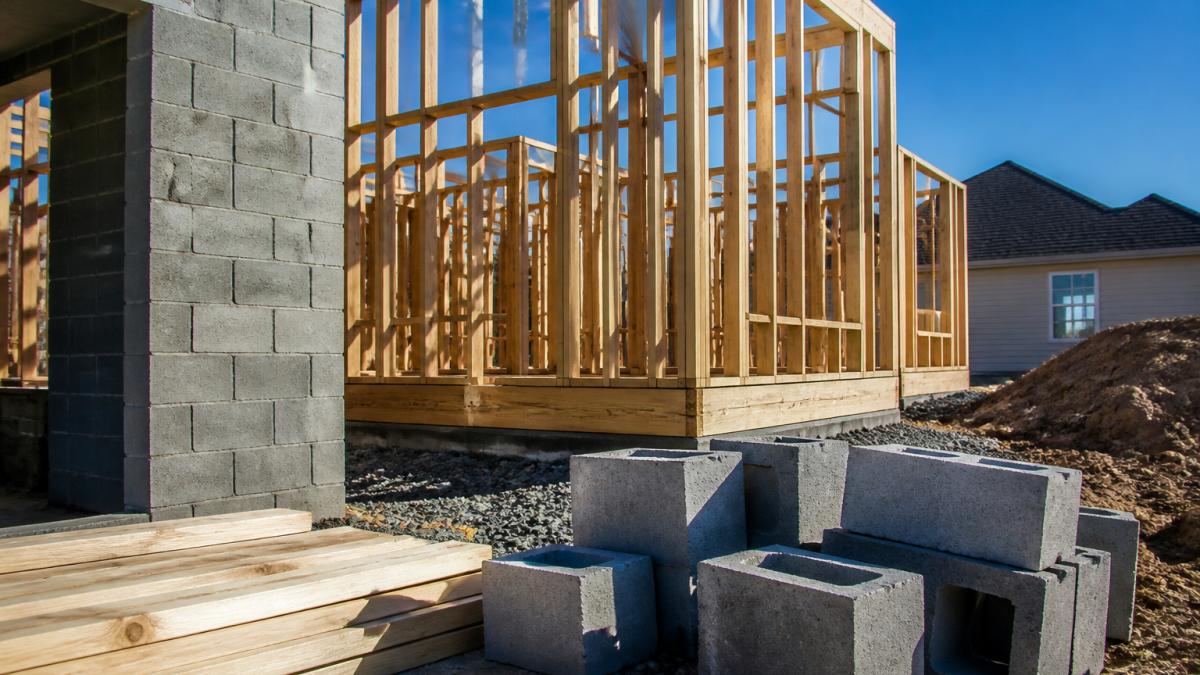
 comparison
Secure Construction Alternatives: Methods & Materials
Table of Contents
- What Secure Construction Alternatives Exist
- ICF Construction Benefits and Performance
- Alternative Building Materials for Homes
- Pros and Cons of Modular Construction
- Cost-Effective Alternatives and Schedule Optimization
- Regulatory, Permitting, and Building Code Compliance
- Choosing the Right Secure Construction Alternative
- Frequently Asked Questions
Last Updated: September 28, 2026
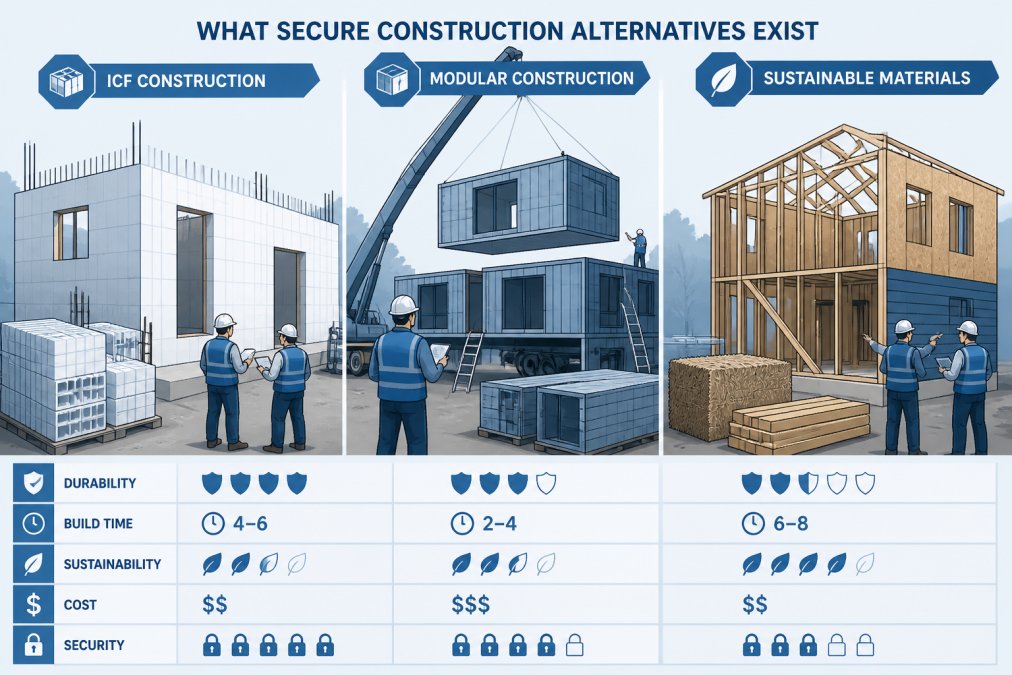
What Secure Construction Alternatives Exist
Secure construction alternatives are building methods and materials that provide enhanced durability, safety, and structural performance compared to traditional wood-frame construction, ranging from insulated concrete forms to modular systems.
Modern alternatives address energy efficiency, weather resistance, and construction speed. Real Property Industries, LLC works with homeowners throughout the region to strengthen their properties.
Several primary categories dominate the market today:
- Insulated Concrete Forms (ICF): Foam blocks filled with concrete create walls with superior insulation and structural strength
- Modular Construction: Factory-built sections assembled on-site, reducing timeline and quality variability
- Alternative Materials: Autoclaved aerated concrete, permeable pavers, and sustainable building materials that reduce environmental impact
- Design-Build Methods: Integrated project delivery that simplifies planning and execution
- Structural Steel Framing: Metal skeleton systems offering flexibility and durability
Each method brings different trade-offs in cost, timeline, and performance. Understanding these options helps homeowners make informed decisions about renovation or new construction.
ICF Construction Benefits and Performance
Insulated Concrete Forms deliver exceptional thermal performance and structural integrity. ICF wall systems consist of foam insulation sandwiching a concrete core, creating a monolithic building envelope that resists temperature extremes and structural stress.
ICF construction provides consistent R-values (typically R-20 to R-40) without thermal bridging, a major source of energy loss in traditional framing. The concrete core moderates indoor temperature swings and provides superior sound dampening.
Hurricane resistance and seismic performance represent another critical benefit. The continuous concrete shell distributes lateral forces more effectively than discrete wood studs. Homes built with ICF systems have demonstrated remarkable resilience in high-wind events and earthquakes, with minimal structural damage where conventional homes suffered catastrophic failure.
ICF blocks stack like oversized Lego pieces with concrete poured into cavities to create a unified structure. Crews can erect walls in days rather than weeks, reaching weather-tight status faster and reducing overall project duration.
Pros:
- Superior energy efficiency and consistent thermal performance
- Excellent structural integrity and earthquake/hurricane resistance
- Faster construction timeline for the building envelope
- Superior sound dampening and noise mitigation
- Lower long-term maintenance costs due to concrete durability
Cons:
- Higher initial material costs compared to traditional framing
- Requires specialized contractor training and experience
- Limited contractor availability in some regions
- Difficulty with future modifications to wall cavities
- Concrete's carbon footprint in manufacturing
Alternative Building Materials for Homes
Homeowners can select from sustainable and durable building materials that improve performance across multiple dimensions.
Autoclaved Aerated Concrete (AAC) combines cement, lime, silica sand, and aluminum powder to create microscopic air pockets, producing a lightweight product easier to handle than standard concrete blocks while maintaining excellent fire resistance and thermal properties. AAC blocks reduce structural load and simplify foundation requirements.
Permeable pavers allow water to permeate through to underlying soil layers rather than channeling into storm drains, reducing flooding risk and recharging groundwater. They align with modern building codes and benefit homeowners concerned about drainage.
Sustainable building materials include recycled steel, reclaimed wood, and bio-based composites that reduce environmental impact. Recycled steel provides structural benefits while reducing emissions; reclaimed wood adds aesthetic value while diverting material from landfills.
The building envelope benefits from material innovation. Modern alternatives to vinyl siding include fiber cement boards, metal cladding, and composite materials that resist moisture infiltration, UV degradation, and pest damage more effectively.
Material durability affects long-term costs. Higher-initial-cost alternatives often deliver better value over 20-30 years due to extended lifespan and reduced maintenance.
Pros of Alternative Materials:
- Reduced environmental impact and carbon footprint
- Often superior durability and weather resistance
- Better thermal or acoustic performance than conventional options
- Support for energy-efficient building envelope design
- Alignment with modern building codes and standards
Cons of Alternative Materials:
- Higher upfront material costs in many cases
- Limited local availability in some markets
- Contractor unfamiliarity requiring specialized knowledge
- Potential resale concerns in conservative markets
- Variable quality and sourcing reliability
Pros and Cons of Modular Construction
Modular construction manufactures building sections in controlled factory environments, then transports and assembles them on-site.
Factory settings deliver consistent quality control through climate-controlled facilities and standardized processes, reducing variability from weather and worker experience, resulting in fewer defects and predictable performance.
Modular construction typically reduces project duration by 30-50% by allowing site preparation and foundation work to proceed simultaneously with off-site assembly, eliminating sequential bottlenecks.
Factory workers develop deep expertise in specific assembly tasks, reducing labor costs and improving quality compared to general contractors managing multiple responsibilities.
Modular construction introduces logistical complexity: transportation requires appropriate infrastructure, factory capacity can create scheduling challenges, and design flexibility is limited to standardized configurations.
Building codes have evolved to accommodate modular construction, but regional variations create friction, with some jurisdictions requiring additional inspections and certifications.
Pros of Modular Construction:
- 30-50% faster construction timeline
- Superior quality control and consistency
- Reduced on-site labor requirements
- Better cost predictability and budget control
- Parallel processing of site preparation and assembly
- Lower environmental impact from reduced site disruption
Cons of Modular Construction:
- Limited design customization compared to site-built
- Transportation and logistics complexity
- Higher initial factory setup costs
- Regional permitting variability and potential delays
- Reduced contractor availability in some markets
- Potential resale perception concerns in traditional markets
Cost-Effective Alternatives and Schedule Optimization
Understanding which alternatives deliver the best value requires comparing material costs and total project economics, not just upfront expenses.
Traditional wood-frame construction has the lowest upfront cost but ignores lifecycle costs. A comprehensive 20-30 year analysis often reveals higher-initial-cost alternatives deliver better overall value.
Schedule optimization directly impacts costs. Modular construction and ICF systems compress timelines, reducing hidden costs from site management, temporary facilities, and financing interest.
Contractors with established supplier relationships secure better rates on alternative materials than homeowners attempting one-off purchases.
Modular construction eliminates much on-site labor, though factory costs are embedded in the product price.
Design-build methods reduce change orders by integrating design and construction teams from the start, identifying conflicts before work begins rather than mid-project.
| Alternative Method | Timeline Impact | Material Cost | Labor Cost | Total Project Cost |
|---|---|---|---|---|
| Traditional Framing | Baseline (100%) | Baseline (100%) | Baseline (100%) | Baseline (100%) |
| ICF Construction | -25% faster | +15-20% | -20% | -5 to +5% |
| Modular Systems | -40% faster | +10-15% | -35% | -15 to -5% |
| Design-Build | -20% faster | -5% | -10% | -10 to -15% |
| Steel Framing | -15% faster | +20% | -15% | +5% |
Regulatory, Permitting, and Building Code Compliance
Building codes establish minimum standards for structural integrity, fire safety, energy efficiency, and environmental protection. These regulations vary by jurisdiction but generally follow the International Building Code (IBC) with state and local modifications.
Alternative construction methods must demonstrate compliance with applicable building codes. This requirement can either accelerate or slow adoption depending on how progressive local authorities have become regarding newer technologies.
ICF construction has achieved broad code acceptance in most jurisdictions. Engineers understand the structural performance, fire ratings, and thermal properties. Permitting typically proceeds smoothly when submitted by experienced contractors familiar with local requirements.
Modular construction faces more variable acceptance. Some jurisdictions have specific modular building codes and simplified approval processes. Others treat modular sections as site-built work, requiring the same inspections and certifications. This inconsistency creates planning challenges for manufacturers serving multiple markets.
Energy codes have become increasingly stringent, favoring alternatives that deliver superior thermal performance. ICF systems and modular construction often exceed minimum requirements, making them attractive for jurisdictions with aggressive energy efficiency targets. This regulatory tailwind makes these alternatives more competitive as compliance costs for traditional methods rise.
Permitting timelines vary widely. Progressive jurisdictions with experience approving alternatives may process permits faster than conservative areas requiring additional review and third-party certifications. Building officials unfamiliar with newer methods often request additional documentation, engineering reports, or manufacturer certifications.
Documentation requirements represent a hidden cost. Alternative construction methods typically require more detailed submittals, including material certifications, installation specifications, and performance testing results. Contractors must budget time and money for these administrative requirements.
Real Property Industries, LLC works within the local regulatory environment to ensure all exterior work, whether roofing, siding, or structural components, meets applicable codes and performs reliably for decades.
Choosing the Right Secure Construction Alternative
Selecting among secure construction alternatives requires evaluating multiple factors beyond cost alone. The right choice depends on your specific priorities, timeline, budget, and long-term goals.
Define Your Primary Objective: Are you prioritizing speed, energy efficiency, structural resilience, environmental impact, or cost?
Frequently Asked Questions
What are the most durable secure construction alternatives to traditional wood framing?
ICF wall systems and autoclaved aerated concrete offer superior durability and structural integrity compared to conventional framing. ICFs provide excellent hurricane resistance and seismic performance, while modular construction uses factory-controlled processes that reduce on-site defects. Both methods enhance the building envelope and protect against environmental damage, making them ideal for long-term property value preservation.
Are secure construction alternatives more cost-effective than traditional methods?
Cost savings depend on project scope and timeline. While secure construction alternatives may have higher material costs upfront, they often reduce labor expenses through faster installation and fewer on-site errors. Schedule optimization and reduced project delivery timelines can offset initial material premiums. Consult with a licensed contractor to compare total project costs for your specific renovation or construction needs.
Do alternative building materials meet local building codes?
Yes, modern alternative building materials and secure construction methods must comply with building codes and pass structural inspections. ICF systems, modular construction, and sustainable materials are tested and approved when installed correctly. However, permitting requirements vary by location. Working with a licensed and insured contractor ensures your project meets all regulatory standards and passes final inspections.
What security and durability advantages do ICF systems offer?
ICF wall systems provide superior structural integrity, hurricane resistance, and seismic performance compared to traditional framing. The continuous concrete core creates a stronger building shell that resists impact, extreme weather, and environmental stress. ICFs also offer better noise mitigation and energy efficiency, reducing long-term maintenance costs while protecting your investment from weather-related damage.